
Горячая линия
1388xx888xx
Горячая линия
1388xx888xx

Свяжитесь с нами
Адрес:206, 208, 210, 211, Building D, Yabian Community Yabian Xueziwei Industrial Park, Shajing Street, Shenzhen, Guangdong, China
Почтовый ящик:1388xx888xx@gmail.com
Мобильные телефоны:1388xx888xx
Телефон:1388xx888xx
Текущее местоположение:Главная страница> Информационный центр> Что такое фотоэлектрические продукты и как они работают
Добавить время:2025-12-31
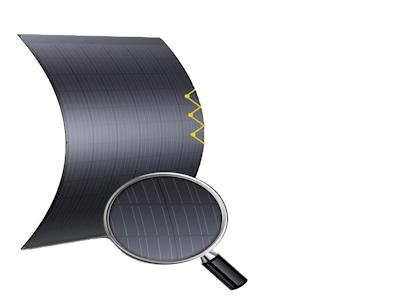
Введение: В современном мире, где вопросы энергетической безопасности и экологической устойчивости становятся все более актуальными, фотоэлектрические продукты занимают центральное место в дискуссиях о будущем энергетики. Эти инновационные устройства, основанные на преобразовании солнечного света в электрическую энергию, не только представляют собой технологический прорыв, но и символизируют переход к более чистому и устойчивому образу жизни. В этой статье мы глубоко исследуем, что именно представляют собой фотоэлектрические продукты, как они функционируют, и почему они играют ключевую роль в глобальных усилиях по сокращению выбросов углекислого газа и борьбе с изменением климата. Мы также обсудим различные типы фотоэлектрических систем, их применение в быту и промышленности, а также вызовы и возможности, связанные с их широким внедрением. Понимание этих аспектов не только расширит ваши знания о современных технологиях, но и вдохновит на поддержку экологических инициатив, способствуя созданию более зеленого и энергоэффективного мира для будущих поколений.
Фотоэлектрические продукты — это устройства или системы, которые используют фотоэлектрический эффект для преобразования солнечного света непосредственно в электрическую энергию. Термин "фотоэлектрический" происходит от греческих слов "phos" (свет) и "voltaic" (электрический), что отражает суть процесса: генерация электричества из света. Основным компонентом этих продуктов являются солнечные панели, состоящие из множества фотоэлектрических ячеек, typically made from semiconductor materials like silicon. These cells absorb photons from sunlight, exciting electrons and creating an electric current. The concept dates back to the 19th century when French physicist Edmond Becquerel first discovered the photovoltaic effect in 1839, but it wasn't until the mid-20th century that practical applications began to emerge with the development of silicon solar cells by Bell Labs in 1954. Today, photovoltaic products encompass a wide range of applications, from small-scale devices like solar-powered calculators and chargers to large-scale solar farms that feed electricity into the grid. They are a cornerstone of renewable energy technologies, offering a clean, abundant, and sustainable alternative to fossil fuels. The global adoption of photovoltaic products has been driven by advancements in efficiency, reductions in cost, and growing environmental awareness, making them integral to efforts to mitigate climate change and achieve energy independence. In essence, photovoltaic products represent a fusion of physics, engineering, and environmental science, enabling humans to harness the sun's power in a way that is both innovative and ecologically responsible.
Основой функционирования фотоэлектрических продуктов является фотоэлектрический эффект, физическое явление, при котором световые частицы (фотоны) попадают на материал и выбивают электроны, создавая электрический ток. Этот процесс происходит в фотоэлектрических ячейках, которые typically consist of two layers of semiconductor material, such as silicon, doped with impurities to create a p-n junction. When sunlight, composed of photons with varying energies, strikes the cell, photons with sufficient energy are absorbed by the semiconductor, exciting electrons from the valence band to the conduction band. This creates electron-hole pairs. The electric field at the p-n junction then separates these charges, pushing electrons toward the n-type layer and holes toward the p-type layer, resulting in a flow of direct current (DC) electricity. This DC current is then collected by metal contacts on the cell and can be used directly or converted to alternating current (AC) via an inverter for practical applications. The efficiency of this conversion depends on factors like the material properties, intensity of sunlight, and temperature. Modern photovoltaic cells can achieve efficiencies of over 20%, thanks to ongoing research in materials science, such as the development of perovskite and multi-junction cells. Understanding this principle is crucial for appreciating how photovoltaic products tap into an endless energy source—the sun—without producing greenhouse gases or depleting natural resources, thus embodying a sustainable solution for energy generation.
Фотоэлектрические продукты разнообразны и cater to various needs, from residential to industrial scales. They can be categorized based on application, scale, and technology. Common types include: 1) Monocrystalline silicon panels, known for high efficiency and longevity, made from single-crystal silicon, ideal for space-constrained installations. 2) Polycrystalline silicon panels, which are less efficient but more cost-effective, made from multiple silicon crystals. 3) Thin-film solar panels, using materials like cadmium telluride or amorphous silicon, offering flexibility and lighter weight, suitable for large-area applications like building-integrated photovoltaics (BIPV). 4) Portable solar products, such as solar chargers for devices, solar-powered lights, and backpacks with integrated panels, providing energy on the go. 5) Grid-connected systems, where photovoltaic arrays are connected to the public electricity grid, allowing excess power to be sold back, often used in homes and businesses. 6) Off-grid systems, which include batteries for energy storage, enabling independence from the grid, popular in remote areas or for emergency power. 7) Solar farms, large-scale installations that generate megawatts of power for utility companies. Additionally, emerging technologies like bifacial panels, which capture light from both sides, and solar tiles that blend with roofing materials, are expanding the possibilities. Each type has its advantages and limitations, influenced by factors like cost, efficiency, durability, and environmental impact. The choice of product depends on the specific requirements, such as energy needs, location, and budget, highlighting the versatility of photovoltaic technology in addressing global energy challenges.
Фотоэлектрические продукты offer numerous benefits that make them a compelling choice for energy generation. Environmentally, they produce clean, renewable energy without emitting greenhouse gases or pollutants, significantly reducing the carbon footprint and combating climate change. Economically, while the initial investment can be high, the long-term savings on electricity bills and potential income from feed-in tariffs make them cost-effective over time. Moreover, solar energy is abundant and inexhaustible, unlike finite fossil fuels, enhancing energy security and reducing dependence on imported fuels. Socially, photovoltaic products can provide electricity to remote and underserved communities, improving quality of life and enabling economic development. Technologically, advancements have led to higher efficiencies and lower costs, driven by economies of scale and innovation. For instance, the levelized cost of electricity (LCOE) from solar has plummeted by over 80% in the past decade, making it competitive with conventional sources. Additionally, photovoltaic systems require minimal maintenance and have long lifespans, often exceeding 25 years, ensuring reliable performance. They also offer scalability, from small rooftop installations to massive solar parks, adapting to various needs. Furthermore, by integrating with smart grids and energy storage, they support grid stability and resilience. Overall, the advantages of photovoltaic products extend beyond mere energy production; they foster sustainability, innovation, and a healthier planet, aligning with global goals like the Paris Agreement and the UN Sustainable Development Goals.
Несмотря на многочисленные преимущества, фотоэлектрические продукты face several challenges that hinder their widespread adoption. One major issue is intermittency; solar power generation depends on sunlight, which varies with weather, time of day, and season, necessitating energy storage solutions like batteries, which add cost and complexity. The initial capital cost, although decreasing, remains a barrier for many individuals and businesses, despite long-term savings. Space requirements can also be a constraint, as large areas are needed for significant energy production, which may not be feasible in urban settings. Additionally, the manufacturing process of solar panels involves energy-intensive steps and the use of rare materials, raising concerns about the environmental impact and sustainability of production. For example, silicon production requires high temperatures, and some thin-film technologies use toxic elements like cadmium, which must be managed carefully to avoid pollution. Efficiency limitations mean that not all sunlight is converted to electricity, with current technologies capturing only a fraction of the solar spectrum. There are also logistical challenges, such as installation, grid integration, and recycling of end-of-life panels, which currently lack widespread infrastructure. Policy and regulatory hurdles, including subsidies, tariffs, and grid access, can vary by region, affecting adoption rates. However, ongoing research aims to address these issues through innovations like perovskite cells for higher efficiency, recycling programs for materials recovery, and better storage technologies. Addressing these challenges is crucial for maximizing the potential of photovoltaic products and ensuring they contribute effectively to a sustainable energy future.
Фотоэлектрические продукты have found applications across diverse sectors, demonstrating their versatility and impact. In the residential sector, rooftop solar panels are increasingly common, allowing homeowners to generate their own electricity, reduce bills, and even earn money by selling excess power to the grid. Commercial and industrial applications include solar installations on factories, warehouses, and office buildings, which lower operational costs and enhance corporate sustainability profiles. In agriculture, solar-powered irrigation systems and greenhouses help farmers save energy and increase productivity, especially in sun-rich regions. The transportation sector is embracing photovoltaics through solar-powered vehicles, charging stations, and integration into public infrastructure like solar roads and bus shelters. Off-grid applications are vital in remote areas, providing electricity for lighting, communication, and healthcare in communities without access to the grid, thereby improving livelihoods and supporting development goals. In the space industry, photovoltaic panels have been used for decades to power satellites and spacecraft, leveraging the constant sunlight in orbit. Emerging uses include building-integrated photovoltaics (BIPV), where solar elements are incorporated into windows, facades, and roofs, blending aesthetics with functionality. Additionally, portable solar products cater to outdoor enthusiasts and emergency preparedness, offering reliable power for camping, hiking, or disaster relief. The military also utilizes solar technology for field operations to reduce reliance on fuel convoys. These applications highlight how photovoltaic products are transforming energy use across society, driving innovation, and promoting resilience in the face of energy challenges.
Будущее фотоэлектрических технологий looks promising, with rapid advancements poised to overcome current limitations and expand their role in the global energy mix. Key trends include increases in efficiency; researchers are exploring new materials like perovskites, which offer higher efficiency potentials and lower production costs compared to traditional silicon. Tandem cells, combining multiple layers to capture a broader spectrum of light, could push efficiencies beyond 30%. Cost reductions are expected to continue through economies of scale, improved manufacturing techniques, and automation, making solar power even more affordable. Energy storage integration will be critical, with advancements in battery technologies, such as solid-state and flow batteries, enabling better management of intermittency and facilitating 24/7 solar power availability. The concept of agrivoltaics, where solar panels are installed above crops, is gaining traction, optimizing land use and supporting agriculture. Digitalization and smart grids will enhance the integration of photovoltaic systems, allowing for real-time monitoring, demand response, and decentralized energy networks. Recycling and circular economy approaches will address end-of-life issues, with initiatives to recover valuable materials from old panels. Policy support, such as increased investments in renewable energy and carbon pricing, will accelerate adoption. Globally, photovoltaic technology is expected to play a central role in achieving net-zero emissions by mid-century, with projections suggesting solar could become the largest source of electricity by 2050. Innovations like transparent solar cells for windows and wearable solar textiles could open new markets. Ultimately, the future of photovoltaics is not just about technology but about creating a sustainable, equitable, and resilient energy system for all.
В заключение, фотоэлектрические продукты represent a transformative force in the quest for sustainable energy. By harnessing the sun's power through the photovoltaic effect, they offer a clean, renewable, and increasingly cost-effective solution to global energy challenges. From their basic principles to diverse applications and future prospects, these products embody innovation and environmental stewardship. While challenges like intermittency and cost persist, ongoing advancements are steadily addressing these issues, paving the way for broader adoption. As we move towards a greener future, embracing photovoltaic technology is not just an option but a necessity for reducing carbon emissions, enhancing energy security, and improving quality of life worldwide. By supporting and investing in these products, we can contribute to a brighter, more sustainable tomorrow.
Название компании:Shenzhen Shine Solar Co., Ltd. Адрес:206, 208, 210, 211, Building D, Yabian Community Yabian Xueziwei Industrial Park, Shajing Street, Shenzhen, Guangdong, China Контактные лица:Shawn Телефон:1388xx888xx Мобильные телефоны:1388xx888xx