
Горячая линия
1388xx888xx
Горячая линия
1388xx888xx
Свяжитесь с нами
Адрес:206, 208, 210, 211, Building D, Yabian Community Yabian Xueziwei Industrial Park, Shajing Street, Shenzhen, Guangdong, China
Почтовый ящик:1388xx888xx@gmail.com
Мобильные телефоны:1388xx888xx
Телефон:1388xx888xx
Текущее местоположение:Главная страница> Информационный центр> Новая эра энергетики преобразуйте солнечный свет в энергию
Добавить время:2025-12-31
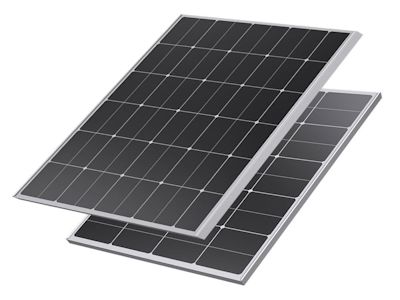
В современном мире, где экологические проблемы и рост энергопотребления становятся всё более актуальными, солнечная энергия представляет собой ключевое решение для устойчивого будущего. Эта статья подробно расскажет о том, как солнечные технологии преобразуют наш подход к энергетике, предлагая экологически чистые, экономичные и надёжные альтернативы традиционным источникам энергии. Мы рассмотрим историю развития солнечной энергетики, её основные компоненты, преимущества, инновации, а также практические шаги для внедрения в повседневную жизнь. Присоединяйтесь к нам в этом путешествии к светлому и энергоэффективному будущему!
Солнечная энергия не является новой концепцией; её использование восходит к древним цивилизациям, которые применяли солнечный свет для отопления и освещения. Однако современная эра солнечной энергетики началась в XIX веке с открытия фотоэлектрического эффекта Александром Эдмоном Беккерелем в 1839 году. Это открытие заложило основу для разработки солнечных элементов. В 1954 году Bell Laboratories создали первый практический кремниевый солнечный элемент, который marked начало коммерциализации солнечной энергии. С тех пор технологии стремительно развивались: стоимость производства снизилась более чем на 90% за последние десятилетия, а эффективность солнечных панелей увеличилась с менее чем 10% до более чем 20% в современных моделях. Это evolution было driven растущей осведомлённостью об изменении климата и необходимостью сокращения выбросов углекислого газа. Сегодня солнечная энергетика является одной из самых быстрорастущих отраслей в мире, с ежегодным ростом установленной мощности на десятки гигаватт. Например, в 2022 году глобальная солнечная энергетика достигла более 1 тераватта установленной мощности, что достаточно для питания миллионов домов. Этот progress демонстрирует, как инновации и массовое производство сделали солнечную энергию доступной и эффективной для широкого круга применений, от небольших домашних систем до крупных солнечных ферм.
Солнечная энергетическая система состоит из нескольких ключевых компонентов, которые work together для преобразования солнечного света в usable electricity. Основным элементом являются солнечные панели, которые содержат фотоэлектрические (PV) cells, typically made из кремния. Эти cells поглощают photons от солнечного света и generate electric current through the photovoltaic effect. There are various types of solar panels, including monocrystalline, polycrystalline, and thin-film, each with its own advantages in terms of efficiency, cost, and application. Monocrystalline panels are known for their high efficiency (up to 22%) and longevity, making them ideal for residential use, while polycrystalline panels are more affordable but slightly less efficient. Thin-film panels are flexible and lightweight, suitable for large-scale installations or innovative applications like building-integrated photovoltaics. Another critical component is the inverter, which converts the direct current (DC) produced by the panels into alternating current (AC) that can be used by household appliances or fed into the grid. Modern inverters include string inverters, microinverters, and power optimizers, offering options for optimizing performance and monitoring. Additionally, solar systems often include mounting structures to secure the panels, batteries for energy storage (e.g., lithium-ion batteries), and charge controllers to manage the flow of electricity. For grid-connected systems, a bi-directional meter is used to measure energy imported from and exported to the grid, enabling net metering programs that credit users for excess energy produced. Understanding these components is essential for designing an efficient system tailored to specific needs, whether for a home, business, or utility-scale project. Proper installation and maintenance ensure maximum energy output and a long lifespan, typically 25-30 years for solar panels.
Одним из самых значительных преимуществ солнечной энергии является её положительное impact на окружающую среду. Unlike fossil fuels, solar power produces no greenhouse gas emissions during operation, helping to mitigate climate change and reduce air pollution. According to the International Energy Agency (IEA), switching to solar energy can avoid millions of tons of CO2 emissions annually. For instance, a typical residential solar system can offset the carbon equivalent of planting over 100 trees each year. Moreover, solar energy is abundant and renewable, with the sun providing enough energy in one hour to meet global energy needs for a year. This reduces dependence on finite resources like coal, oil, and natural gas, which are subject to price volatility and geopolitical risks. Economically, solar energy offers substantial savings on electricity bills. After the initial investment, which has decreased significantly due to technological advancements and government incentives, solar systems generate free electricity for decades. In many regions, the payback period for a solar installation is now less than 10 years, after which users enjoy virtually free energy. Additionally, solar energy creates jobs in manufacturing, installation, and maintenance, contributing to local economies. For example, the solar industry employs over 3 million people worldwide, with growth expected to continue. Governments often provide tax credits, rebates, and feed-in tariffs to encourage adoption, making solar energy even more affordable. Furthermore, solar power enhances energy independence by allowing individuals and communities to generate their own electricity, reducing reliance on centralized power grids and increasing resilience against power outages. This is particularly valuable in remote areas or during natural disasters. Overall, the environmental and economic benefits make solar energy a smart choice for a sustainable future.
Солнечная энергетика continues to evolve with groundbreaking innovations that promise to make it even more efficient, affordable, and integrated into daily life. One of the most exciting areas is the development of perovskite solar cells, which offer higher efficiency potentials (over 25% in lab settings) and lower production costs compared to traditional silicon cells. Researchers are also working on tandem cells that combine multiple materials to capture a broader spectrum of sunlight, potentially pushing efficiencies above 30%. Another trend is the integration of solar technology into buildings through building-integrated photovoltaics (BIPV), where solar elements are incorporated into roofs, windows, or facades, turning structures into power generators without compromising aesthetics. Energy storage is another critical innovation, with advancements in battery technology, such as solid-state batteries and flow batteries, enabling better management of solar energy for use during nighttime or cloudy days. Smart grids and Internet of Things (IoT) devices are enhancing the efficiency of solar systems by allowing real-time monitoring, predictive maintenance, and optimized energy distribution. For example, smart inverters can communicate with the grid to stabilize voltage and frequency, improving overall grid reliability. Looking ahead, concepts like solar farms in space or floating solar installations on water bodies are being explored to overcome land constraints. Additionally, artificial intelligence and machine learning are being applied to predict solar output and optimize system performance. These innovations are driving down costs and increasing adoption rates; by 2030, solar energy is projected to become the cheapest source of electricity in most parts of the world. Governments and private companies are investing heavily in R&D, with initiatives like the European Green Deal aiming for carbon neutrality by 2050 through renewable energy expansion. The future of solar energy is bright, with endless possibilities for transforming how we power our lives.
Если вы заинтересованы в переходе на солнечную энергию, вот practical steps to get started. First, assess your energy needs by reviewing your electricity bills to determine your average consumption. This will help you size your solar system appropriately. Next, evaluate your property for solar potential: consider factors like roof orientation (south-facing is ideal in the Northern Hemisphere), shading from trees or buildings, and structural integrity. You can use online tools or consult with a professional solar installer for a site assessment. Then, research available incentives in your area, such as tax credits, rebates, or net metering programs, which can significantly reduce the upfront cost. For example, in the United States, the federal Investment Tax Credit (ITC) offers a 26% credit on solar system costs through 2022. After that, obtain quotes from multiple reputable solar companies to compare prices, equipment options, and warranties. Look for certifications like NABCEP (North American Board of Certified Energy Practitioners) to ensure quality installation. Once you choose a provider, they will handle the permitting, installation, and connection to the grid. The installation process typically takes a few days to a week, depending on the system size. After installation, monitor your system's performance through apps or online portals provided by the installer. Regular maintenance, such as cleaning the panels and checking for debris, will ensure optimal efficiency. Additionally, consider pairing your solar system with a battery storage solution to maximize energy independence and backup power. For those who cannot install panels, community solar programs allow you to subscribe to a shared solar farm and receive credits on your bill. Finally, spread the word about your experience to encourage others to adopt solar energy, contributing to a greener planet. By taking these steps, you can enjoy the benefits of clean, renewable energy while saving money and reducing your carbon footprint.
В заключение, солнечная энергия представляет собой transformative force в мировой энергетике, offering a path to a sustainable, economically viable, and environmentally friendly future. От её скромных beginnings до current innovations, solar technology has proven its value and potential. By harnessing the power of the sun, we can reduce our reliance on fossil fuels, combat climate change, and create a more resilient energy system. Whether you are a homeowner, business owner, or simply an advocate for clean energy, there has never been a better time to explore solar options. С incentives, advancing technology, and growing awareness, the barriers to adoption are lower than ever. We encourage you to take action today: investigate solar energy for your needs, consult with experts, and make the switch. Together, we can drive the transition to a new era of energy, where sunlight is not just a source of light but a powerhouse for progress. Присоединяйтесь к millions around the world who are already enjoying the benefits of solar energy and help build a brighter, cleaner tomorrow for generations to come. Спасибо за чтение, и давайте преобразуем солнечный свет в энергию для всех!
Название компании:Shenzhen Shine Solar Co., Ltd. Адрес:206, 208, 210, 211, Building D, Yabian Community Yabian Xueziwei Industrial Park, Shajing Street, Shenzhen, Guangdong, China Контактные лица:Shawn Телефон:1388xx888xx Мобильные телефоны:1388xx888xx