
Горячая линия
1388xx888xx
Горячая линия
1388xx888xx
Свяжитесь с нами
Адрес:206, 208, 210, 211, Building D, Yabian Community Yabian Xueziwei Industrial Park, Shajing Street, Shenzhen, Guangdong, China
Почтовый ящик:1388xx888xx@gmail.com
Мобильные телефоны:1388xx888xx
Телефон:1388xx888xx
Текущее местоположение:Главная страница> Информационный центр> Инновационные технологии фотоэлектрических систем меняют мир
Добавить время:2025-12-29
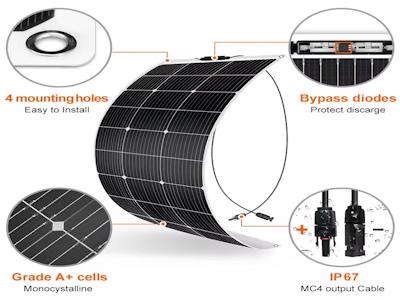
Фотоэлектрические системы, или солнечные панели, преобразуют солнечный свет непосредственно в электричество с помощью полупроводниковых материалов. Но разве это просто замена углю и газу? Или нечто большее? Учёные утверждают, что эти системы — ключ к решению глобальных проблем, таких как изменение климата и энергетическая безопасность. Однако, насколько эффективны они на самом деле? Давайте разберёмся.
Согласно данным Международного энергетического агентства, солнечная энергия стала самым быстрорастущим источником энергии в мире, с ежегодным ростом более 20%. Но вызывает ли это беспокойство у традиционных энергетических компаний? Или, возможно, это шанс для сотрудничества?
Традиционно фотоэлектрические системы основываются на кремнии, но новые материалы, такие как перовскиты, обещают更高的 эффективность и lower cost. Но насколько надёжны эти новинки? Учёные задаются вопросом: могут ли перовскитные солнечные элементы выдержать длительные нагрузки и суровые погодные условия? Исследования показывают, что их стабильность улучшается, но остаются проблемы с долговечностью. Что, если через 10 лет мы увидим панели, которые не только дешевле, но и прочнее?
Кроме того, гибкие и прозрачные солнечные панели открывают возможности для интеграции в здания, транспорт и даже одежду. Imagine a world where your smartphone charges itself just by being outdoors. Is this a distant dream or a near reality? Companies like Tesla are already experimenting with solar roofs, but how scalable are these innovations?
Современные солнечные панели имеют КПД around 20-25%, but theoretical limits suggest we could reach up to 50% with multi-junction cells. Но достижимо ли это в массовом производстве? Учёные working on tandem cells and other advanced designs, but the cost remains a barrier. Вопрос: стоит ли инвестировать в дальнейшие исследования, или лучше focus on improving existing technologies? Some argue that incremental improvements are more practical, while others push for breakthroughs.
A study from the National Renewable Energy Laboratory indicates that efficiency gains of just 1% could reduce the cost of solar energy by 5-10%. Но как это повлияет на глобальный энергетический рынок? И не приведёт ли это к перенасыщению?
Солнечная energy is often touted as clean, but what about the environmental impact of manufacturing and disposing of panels? Производство solar panels involves toxic chemicals and energy-intensive processes. Разве это не противоречит цели sustainability? Однако, lifecycle analyses show that over their lifetime, solar panels offset more carbon than they emit. Но как насчёт recycling? Учёные разрабатывают методы for recycling solar panels, but are they widely adopted? Вопрос: должны ли мы prioritize developing better recycling technologies alongside innovation?
Кроме того, land use for solar farms can impact ecosystems. Но с floating solar panels on reservoirs and dual-use agrivoltaics, where crops are grown under panels, мы might mitigate these issues. Is this the future, or just a niche solution?
Стоимость solar panels has plummeted by over 80% in the past decade, making them more accessible. Но достаточно ли этого для developing countries? Микро-grids and off-grid systems powered by solar are transforming rural areas, but challenges like storage and infrastructure remain. Вопрос: могут ли инновации в battery technology, such as lithium-ion and beyond, solve these problems? Or will inequality in energy access persist?
Government policies and subsidies play a crucial role. Но что, если subsidies are reduced? Will the solar industry collapse, or is it now self-sustaining? The International Renewable Energy Agency predicts that solar could become the cheapest source of electricity globally by 2030, but is this optimistic or realistic?
Фотоэлектрические systems are not standalone; they integrate with smart grids, IoT, and AI for optimized energy management. Но насколько smart are our grids? Вопрос: готовы ли мы к a future where energy is generated, stored, and distributed decentralizedly? Cybersecurity risks arise, but the benefits of resilience and efficiency are immense.
Furthermore, space-based solar power is being explored, where satellites collect solar energy and beam it to Earth. Sounds like science fiction? Но компании like Japan's JAXA and private firms are seriously considering it. Что, если это станет reality? How would it change global geopolitics and energy dynamics?
Инновационные технологии фотоэлектрических систем undoubtedly change the world, but many questions remain. Will they completely replace fossil fuels? How will they affect job markets in traditional energy sectors? Are we overlooking potential negative impacts in the rush to adopt green energy?
One thing is clear: the journey is just beginning. As we continue to innovate, we must ask ourselves not only "can we?" but "should we?" and "how best?" The answers will shape our planet for generations to come.
So, what do you think? Are solar innovations the panacea for our energy woes, or just one piece of a complex puzzle? Share your thoughts and join the conversation.
Название компании:Shenzhen Shine Solar Co., Ltd. Адрес:206, 208, 210, 211, Building D, Yabian Community Yabian Xueziwei Industrial Park, Shajing Street, Shenzhen, Guangdong, China Контактные лица:Shawn Телефон:1388xx888xx Мобильные телефоны:1388xx888xx