
Горячая линия
1388xx888xx
Горячая линия
1388xx888xx

Свяжитесь с нами
Адрес:206, 208, 210, 211, Building D, Yabian Community Yabian Xueziwei Industrial Park, Shajing Street, Shenzhen, Guangdong, China
Почтовый ящик:1388xx888xx@gmail.com
Мобильные телефоны:1388xx888xx
Телефон:1388xx888xx
Текущее местоположение:Главная страница> Информационный центр> Потрясающие прорывы в фотоэлектрических технологиях
Добавить время:2025-12-29
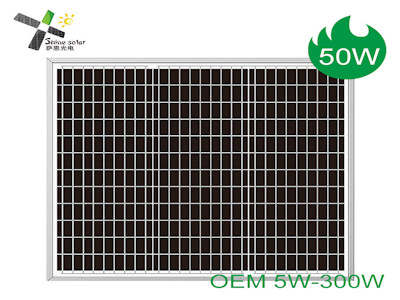
В последние десятилетия фотоэлектрические технологии пережили невероятные трансформации, открывая новые горизонты для устойчивой энергетики. От скромных начал кремниевых солнечных панелей до современных инноваций, таких как перовскитные элементы и квантовые точки, эти прорывы не только повысили эффективность преобразования солнечного света в электричество, но и сделали солнечную энергию более доступной и масштабируемой. Эта статья углубляется в ключевые достижения, объясняя их научные основы, практические применения и потенциальное влияние на глобальную энергетическую систему. Мы рассмотрим, как эти технологии могут помочь в борьбе с изменением климата, снизить зависимость от ископаемого топлива и создать более экологичное будущее для всех.
Фотоэлектрический эффект был впервые открыт в 1839 году французским физиком Александром Эдмоном Беккерелем, но только в 1954 году Bell Laboratories создали первую практическую кремниевую солнечную ячейку с эффективностью около 6%. С тех пор технология steadily evolved, с многократными улучшениями в материалах и дизайне. В 1970-х годах, с нефтяными кризисами, интерес к солнечной энергии возрос, приводя к государственным инвестициям и исследованиям. К 2000-м годам эффективность коммерческих кремниевых панелей достигла 15-20%, а costs began to drop significantly due to mass production and economies of scale. Сегодня, фотоэлектрические системы are ubiquitous, from rooftop installations to massive solar farms, но продолжающиеся инновации push the boundaries even further.
Одним из самых exciting прорывов в последние годы является development of perovskite solar cells. Перовскиты — это класс materials with a specific crystal structure, named after the mineral perovskite. These materials offer several advantages over traditional silicon, including higher theoretical efficiency, lower production costs, and flexibility. В 2009 году, исследователи в Японии first demonstrated perovskite solar cells with an efficiency of around 3.8%, но к 2023 году, лабораторные прототипы достигли efficiencies exceeding 25%, rivaling and even surpassing silicon in some cases. Ключевые benefits включают возможность solution-based processing, which is cheaper and scalable, and tunability of the bandgap for optimized light absorption. Однако, challenges remain, such as stability issues under environmental conditions and lead content concerns, но ongoing research focuses on addressing these with lead-free alternatives and encapsulation techniques. Уже сейчас, companies are commercializing perovskite-silicon tandem cells, combining the best of both worlds for efficiencies over 30%. This breakthrough could drastically reduce the levelized cost of electricity (LCOE) and accelerate the adoption of solar energy worldwide.
Another significant advancement is the development of multi-junction or tandem solar cells. These devices stack multiple layers of different semiconductor materials, each optimized to absorb a specific part of the solar spectrum. Например, a tandem cell might combine a silicon bottom layer with a perovskite top layer, capturing more photons and converting them into electricity with higher overall efficiency. Исследования в этой области have led to record efficiencies of over 47% under concentrated sunlight in laboratory settings, though commercial versions are typically around 30-40%. This technology is particularly promising for applications in space, where efficiency is critical, and for utility-scale solar farms. Innovations in material science, such as using III-V semiconductors like gallium arsenide, further enhance performance. The integration of AI and machine learning for optimizing layer thickness and composition is also a growing trend, making these cells more accessible and cost-effective.
Нанотехнологии have opened new frontiers in photovoltaics, with quantum dots (QDs) being a prime example. Quantum dots are nanoscale semiconductor particles that exhibit quantum mechanical properties, allowing for precise control over light absorption and emission. В фотоэлектрических applications, QDs can be used to create solar cells with tunable bandgaps, enabling better matching to the solar spectrum and higher efficiencies. Additionally, QD solar cells can be fabricated using low-cost, solution-based methods, similar to perovskites. Research has shown efficiencies up to 16% for lead sulfide QDs, with potential for further improvements. Another innovation is the use of plasmonic nanoparticles to enhance light trapping and absorption in solar cells, reducing reflection losses. These nanotechnology-driven approaches not only boost performance but also enable new form factors, such as flexible and transparent solar panels, which can be integrated into buildings, vehicles, and even clothing.
Искусственный интеллект (AI) и машинное обучение (ML) are revolutionizing the design and operation of photovoltaic systems. AI algorithms can analyze vast datasets to optimize cell materials, structures, and manufacturing processes, leading to faster innovation cycles. Например, ML models can predict the performance of new perovskite compositions without extensive experimental testing, saving time and resources. In operation, AI-powered monitoring systems can detect faults, predict maintenance needs, and optimize energy output based on weather forecasts and grid demands. This not only improves reliability but also maximizes energy yield and reduces costs. Companies are already deploying AI for smart inverters and energy management systems, making solar power more intelligent and integrated with the grid. The synergy between AI and photovoltaics is a key enabler for the next generation of solar technology.
Эти technological прорывы have profound economic and environmental implications. Повышение efficiency and снижение costs make solar energy increasingly competitive with fossil fuels. According to the International Energy Agency (IEA), the global weighted-average LCOE for utility-scale solar PV has fallen by over 85% since 2010, and further innovations could drive it down even more. Это приводит к increased deployment, with solar capacity expected to triple by 2030, contributing significantly to carbon emission reductions. Environmentally, solar energy is clean and renewable, but it's important to address the lifecycle impacts, such as resource use in manufacturing and end-of-life recycling. Innovations in recycling technologies for solar panels are also advancing, ensuring a circular economy. Additionally, the job creation potential in the solar industry is substantial, supporting economic growth in many regions.
Looking ahead, the future of photovoltaics is bright with several emerging trends. These include the development of bifacial solar panels that capture light from both sides, increasing energy yield by up to 30%. Another area is building-integrated photovoltaics (BIPV), where solar elements are incorporated into construction materials like windows and facades, turning entire buildings into power generators. For storage, advancements in battery technologies, such as solid-state batteries, will complement solar systems by providing reliable energy supply. However, challenges remain, such as scaling up new technologies from lab to market, ensuring long-term stability and durability, and addressing regulatory and infrastructure barriers. International collaboration and continued investment in R&D are crucial to overcoming these hurdles and realizing the full potential of solar energy.
В заключение, потрясающие прорывы в фотоэлектрических технологиях — от перовскитов и тандемных ячеек до нанотехнологий и AI — transformative the energy landscape. These innovations not only enhance efficiency and reduce costs but also pave the way for a sustainable, decarbonized future. As research continues and adoption expands, solar power is poised to become a cornerstone of global energy systems, driving economic growth and environmental stewardship. It is an exciting time for the industry, and the possibilities are limitless. Давайте embrace these advancements and work together towards a brighter, cleaner world.
Название компании:Shenzhen Shine Solar Co., Ltd. Адрес:206, 208, 210, 211, Building D, Yabian Community Yabian Xueziwei Industrial Park, Shajing Street, Shenzhen, Guangdong, China Контактные лица:Shawn Телефон:1388xx888xx Мобильные телефоны:1388xx888xx