
Горячая линия
1388xx888xx
Горячая линия
1388xx888xx

Свяжитесь с нами
Адрес:206, 208, 210, 211, Building D, Yabian Community Yabian Xueziwei Industrial Park, Shajing Street, Shenzhen, Guangdong, China
Почтовый ящик:1388xx888xx@gmail.com
Мобильные телефоны:1388xx888xx
Телефон:1388xx888xx
Текущее местоположение:Главная страница> Информационный центр> Как работают солнечные батареи и преобразуют свет в энергию
Добавить время:2025-12-04
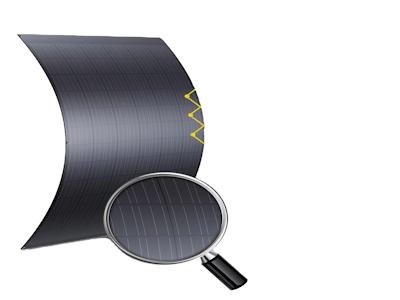
В современном мире, где изменение климата и истощение ископаемых ресурсов становятся все более актуальными проблемами, солнечные батареи emerge как ключевое решение для перехода к возобновляемым источникам энергии. Эта статья углубляется в механизмы работы солнечных батарей, исследуя, как они преобразуют солнечный свет в полезную электрическую энергию, и обсуждает их роль в глобальной энергетической трансформации. От физических принципов до практических применений, мы рассмотрим все аспекты этой инновационной технологии.
Солнечная энергия, harnessed через солнечные батареи, представляет собой один из самых чистых и abundant источников энергии на Земле. Солнце излучает огромное количество энергии — approximately 173,000 тераватт continuously, что значительно превышает текущие global energy demands. Однако, capturing и converting эту энергию в usable form требует sophisticated технологий, таких как фотоэлектрические (PV) системы. В этом разделе мы briefly обсудим историю солнечных батарей, их evolution, и why они стали critical в борьбе с climate change.
История солнечных батарей dates back к 19 веку, когда французский physicist Edmond Becquerel discovered фотоэлектрический эффект в 1839 году. Однако, practical applications начали развиваться только в mid-20 века с изобретением первого silicon solar cell Bell Laboratories в 1954 году. С тех пор, technology advanced rapidly, driven by innovations в materials science и manufacturing processes. Сегодня, solar panels используются в everything от small handheld devices до massive solar farms, contributing significantly к global renewable energy mix.
Рост solar energy adoption accelerated в последние десятилетия due to decreasing costs и increasing awareness о environmental issues. According to International Energy Agency (IEA), solar PV capacity expanded exponentially, с global installed capacity exceeding 1 terawatt в 2022 году. This trend expected to continue, с projections indicating that solar could become dominant source of electricity by mid-century. Однако, challenges such as intermittency, storage, и efficiency remain, highlighting need for ongoing research и development.
Сердце солнечной батареи — это фотоэлектрический эффект, phenomenon где light energy converted into electrical energy. Этот process relies на properties semiconductors, таких как silicon, which have ability to absorb photons и generate electric current. В этом разделе мы delve into physics behind this transformation, объясняя key concepts такие как band gap, electron-hole pairs, и p-n junctions.
Когда sunlight, состоящий из photons, strikes surface of solar cell, photons с sufficient energy (greater than band gap of semiconductor) can be absorbed, exciting electrons из valence band в conduction band. This creates electron-hole pairs — free electrons и positive holes. The electric field на p-n junction (interface между p-type и n-type semiconductors) then separates these charges, driving electrons towards n-side и holes towards p-side. This movement generates a voltage и current, which can be harnessed как electrical power.
Efficiency солнечных батарей зависит от multiple factors, включая material properties, wavelength of light, и temperature. Например, silicon-based cells have typical efficiencies между 15% и 22%, но advanced materials like perovskites или multi-junction cells can achieve efficiencies over 40% в laboratory settings. Understanding these fundamentals crucial для optimizing performance и reducing costs.
Ключевой момент: Фотоэлектрический эффект — это quantum mechanical process that enables direct conversion of light to electricity без moving parts, making solar cells highly reliable и low-maintenance.
Solar cells come в various types, each с unique characteristics и applications. Наиболее common являются crystalline silicon cells, which dominate market due to their reliability и maturity. Они subdivided into monocrystalline и polycrystalline cells, с former offering higher efficiency но higher cost. Thin-film technologies, такие как cadmium telluride (CdTe) или copper indium gallium selenide (CIGS), provide flexibility и lower production costs, но generally have lower efficiencies.
Emerging technologies включают perovskite solar cells, которые показали rapid progress в efficiency и potential for low-cost fabrication. Additionally, organic photovoltaics (OPV) и quantum dot cells represent cutting-edge research, aiming to further improve performance и sustainability. Выбор материала влияет на factors such as cost, efficiency, durability, и environmental impact. Например, silicon abundant и non-toxic, но production energy-intensive, while some thin-film materials contain toxic elements требующие careful disposal.
Innovations в manufacturing, such as roll-to-roll processing для thin-films или heterojunction designs, continue to push boundaries. Future developments may involve tandem cells, combining multiple materials to capture broader spectrum of light, или integration with other technologies like batteries для enhanced storage capabilities.
Преобразование sunlight в electricity involves several steps within a solar panel. A typical PV module consists of multiple solar cells connected in series или parallel to achieve desired voltage и current. When light hits the cells, the generated DC electricity is collected by metal contacts и fed into an inverter, which converts it to AC electricity suitable for grid use или direct consumption.
Efficiency этого process limited by factors such as reflection losses, recombination losses (where electrons и holes recombine before being collected), и resistive losses в circuitry. Anti-reflection coatings, improved cell designs, и maximum power point tracking (MPPT) in inverters help mitigate these issues. Additionally, environmental conditions like shading, dust, и temperature variations can impact performance, underscoring importance of proper installation и maintenance.
Для large-scale applications, solar farms utilize arrays of panels oriented optimally towards sun, often with tracking systems to follow sun's path throughout day. In residential settings, rooftop systems provide decentralized power, reducing transmission losses и enhancing energy security. The overall conversion chain — from photon absorption to grid injection — exemplifies elegance of solar technology, but requires integration with energy storage (e.g., batteries) to address intermittency of solar resource.
Solar energy offers numerous benefits, including sustainability, reduced greenhouse gas emissions, и energy independence. Unlike fossil fuels, solar power generation produces no air pollution или CO2 emissions during operation, making it vital для mitigating climate change. It also diversifies energy sources, enhancing security и reducing reliance on imported fuels. Economically, solar industry creates jobs и stimulates innovation, while decreasing energy costs для consumers over time due to declining panel prices.
Однако, challenges persist. Intermittency — inability to generate power at night или during cloudy weather — necessitates energy storage solutions или backup systems. Current battery technologies, such as lithium-ion, are improving but still add cost и complexity. Land use для large solar farms can conflict with agriculture или ecosystems, though floating solar или building-integrated photovoltaics (BIPV) offer alternatives. Additionally, production of solar panels involves energy-intensive processes и use of rare materials, raising concerns about lifecycle environmental impact.
Addressing these challenges requires policy support, research into better storage technologies, и recycling programs для end-of-life panels. Despite hurdles, the overall trajectory positive, with solar energy poised to play a central role in global energy transition.
Инсайт: Integrating solar with smart grids и artificial intelligence can optimize energy distribution и manage demand, further enhancing viability of solar power.
Будущее solar technology bright, с ongoing advancements aimed at boosting efficiency, reducing costs, и expanding applications. Research focuses on new materials like perovskites, which promise high efficiencies и low-temperature processing, potentially revolutionizing the industry. Tandem cells, stacking multiple layers to capture different light wavelengths, could push efficiencies beyond 30% commercially.
Beyond traditional panels, emerging concepts include solar paints, transparent solar windows, и even space-based solar power, where satellites collect sunlight и beam energy to Earth. These innovations could integrate solar energy seamlessly into daily life, from self-powered buildings to electric vehicles with solar roofs. Moreover, digitalization и IoT enable smarter energy management, allowing real-time monitoring и optimization of solar systems.
Глобальные initiatives, такие как Paris Agreement, drive adoption, with countries setting ambitious targets for renewable energy. As technology evolves, solar energy expected to become even more affordable и accessible, empowering communities worldwide. Ultimately, solar batteries not just about generating electricity; they represent a shift towards a sustainable, equitable energy future.
В заключение, солнечные батареи — это marvel modern science, leveraging фотоэлектрический эффект для преобразования abundant solar light into clean, renewable energy. От их физических основ до практических применений, они offer a path to reduce carbon footprint и foster energy independence. While challenges remain, continuous innovation и growing adoption signal a promising future. By embracing solar technology, we can harness power of sun to create a sustainable world для generations to come.
Этот journey от света к энергии not just technical achievement but a testament to human ingenuity и commitment to planetary health. As we move forward, collaboration между scientists, policymakers, и consumers will be key to unlocking full potential of solar power.
Статья написана для образовательных целей и отражает текущее состояние technology на момент публикации. Для более detailed technical information, consult scientific literature или professional resources.
Название компании:Shenzhen Shine Solar Co., Ltd. Адрес:206, 208, 210, 211, Building D, Yabian Community Yabian Xueziwei Industrial Park, Shajing Street, Shenzhen, Guangdong, China Контактные лица:Shawn Телефон:1388xx888xx Мобильные телефоны:1388xx888xx