
Горячая линия
1388xx888xx
Горячая линия
1388xx888xx
Свяжитесь с нами
Адрес:206, 208, 210, 211, Building D, Yabian Community Yabian Xueziwei Industrial Park, Shajing Street, Shenzhen, Guangdong, China
Почтовый ящик:1388xx888xx@gmail.com
Мобильные телефоны:1388xx888xx
Телефон:1388xx888xx
Текущее местоположение:Главная страница> Информационный центр> Что такое поликристаллические солнечные панели и как они работают
Добавить время:2025-12-04
В современном мире, где экологические проблемы и зависимость от ископаемого топлива становятся все более острыми, возобновляемые источники энергии привлекают все больше внимания. Среди них солнечная энергия занимает особое место благодаря своей доступности и потенциалу. Поликристаллические солнечные панели, как один из наиболее распространенных типов фотовольтаических устройств, играют ключевую роль в этом переходе. В этой статье мы глубоко погрузимся в тему, обсудив, что такое поликристаллические солнечные панели, как они работают, их преимущества и недостатки, а также их влияние на будущее энергетики.
Солнечная энергия — это неиссякаемый ресурс, который человечество начало активно осваивать в последние десятилетия. Согласно данным Международного энергетического агентства, доля солнечной энергии в глобальном энергобалансе растет экспоненциально, и к 2050 году она может составить до 25% от общего производства электроэнергии. Это связано с тем, что солнечные панели позволяют преобразовывать солнечный свет непосредственно в электричество, что делает их экологически чистыми и экономически выгодными в долгосрочной перспективе.
Однако не все солнечные панели одинаковы. Существуют различные типы, включая монокристаллические, поликристаллические и тонкопленочные. Поликристаллические панели, о которых пойдет речь, являются популярным выбором для многих применений благодаря своему балансу между эффективностью и стоимостью. В этой статье мы рассмотрим их особенности, начиная с основ и заканчивая практическими аспектами использования.
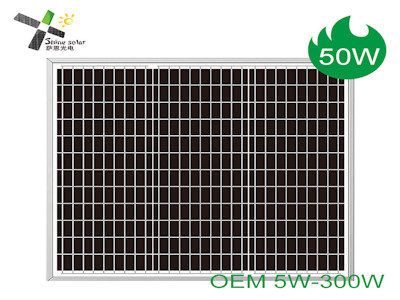
Поликристаллические солнечные панели, также известные как multicrystalline solar panels, изготавливаются из кремния, который имеет поликристаллическую структуру. Это означает, что материал состоит из множества мелких кристаллов, в отличие от монокристаллических панелей, где используется единый кристалл. Процесс производства поликристаллических панелей involves melting raw silicon and then slowly cooling it to form a block with multiple crystals. This method is less expensive than producing monocrystalline panels, making polycrystalline options more affordable for consumers.
Визуально поликристаллические панели often have a blueish hue and a speckled appearance due to the random orientation of the crystals. This is in contrast to the uniform black color of monocrystalline panels. The efficiency of polycrystalline panels typically ranges from 15% to 17%, which is slightly lower than the 18% to 22% efficiency of monocrystalline panels. However, this difference in efficiency is often compensated by their lower cost, making them a practical choice for large-scale installations or budget-conscious projects.
Исторически, поликристаллические панели were developed as a cost-effective alternative to monocrystalline technology. They gained popularity in the 1980s and 1990s and continue to be widely used today, especially in residential and commercial solar systems. Their durability and reliability have been proven over decades of use, contributing to their enduring appeal.
Принцип работы поликристаллических солнечных панелей основан на фотовольтаическом эффекте, который был открыт еще в 19 веке. Когда солнечный свет попадает на панель, фотоны (частицы света) взаимодействуют с атомами кремния в панели. Это взаимодействие вызывает высвобождение электронов, создавая электрический ток. Конкретно, в поликристаллических панелях, multiple silicon crystals create a network that facilitates this electron flow, though the boundaries between crystals can slightly reduce efficiency compared to monocrystalline structures.
Процесс начинается с поглощения sunlight by the solar cells. Each cell is made of a semiconductor material, typically silicon, which is doped with impurities to create a p-n junction. This junction is crucial for separating positive and negative charges when light is absorbed. In polycrystalline panels, the random crystal structure means that the path for electrons is less direct, leading to a lower efficiency but still sufficient for many applications.
Электрический ток, generated by the panels, is direct current (DC), which must be converted to alternating current (AC) using an inverter for use in homes and businesses. The overall performance of a polycrystalline panel depends on factors such as sunlight intensity, temperature, and angle of installation. For instance, higher temperatures can reduce efficiency, so proper ventilation and positioning are important for optimal operation.
В сравнении с другими типами, поликристаллические панели are known for their good performance in diffuse light conditions, such as on cloudy days. This makes them suitable for regions with variable weather. Additionally, advancements in technology have improved their efficiency over time, narrowing the gap with monocrystalline panels.
Одним из главных преимуществ поликристаллических панелей является их стоимость. Due to the simpler manufacturing process, они often cost 10-20% less than monocrystalline panels. This makes solar energy more accessible to a wider range of consumers, from homeowners to large-scale utility projects. For example, in countries like India and China, polycrystalline panels are widely used in solar farms due to their affordability.
Другое преимущество — экологичность. The production of polycrystalline panels requires less energy and generates fewer carbon emissions compared to monocrystalline panels. This is because the silicon melting process is more efficient for polycrystalline production. As a result, choosing polycrystalline panels can contribute to a lower carbon footprint over the lifecycle of the system.
Кроме того, поликристаллические панели are durable and have a long lifespan, typically around 25-30 years. They are resistant to harsh weather conditions and require minimal maintenance. This reliability ensures a steady return on investment for users, as the panels continue to generate electricity for decades.
С точки зрения эстетики, the blue color of polycrystalline panels is often preferred for certain architectural styles. While not as sleek as black monocrystalline panels, they can blend well with rooftops and other structures, making them a versatile choice for various installations.
Несмотря на преимущества, поликристаллические панели имеют и недостатки. Главный из них — более низкая эффективность по сравнению с монокристаллическими аналогами. This means that for the same amount of space, polycrystalline panels produce less electricity. In areas with limited roof space or high energy demands, this might necessitate the use of more panels or a switch to more efficient types.
Еще один недостаток — чувствительность к температуре. Polycrystalline panels can experience a drop in efficiency when temperatures rise, which is common in hot climates. This thermal coefficient is higher than that of monocrystalline panels, meaning they perform worse in very warm environments. However, this can be mitigated with proper installation techniques, such as ensuring adequate airflow around the panels.
Кроме того, the manufacturing process, while less energy-intensive, still involves the use of chemicals and resources. The disposal of old panels can also pose environmental challenges, as they contain materials that need to be recycled properly. Ongoing research is focused on improving recycling methods to address this issue.
В плане эстетики, some users might find the blue speckled appearance less appealing than the uniform look of monocrystalline panels. This is a subjective factor, but it can influence decisions in residential applications where aesthetics are important.
Чтобы fully understand the role of polycrystalline panels, it's helpful to compare them with monocrystalline and thin-film panels. Monocrystalline panels are made from a single crystal of silicon, which allows for higher efficiency and a sleeker appearance. They are often used in applications where space is limited, such as on small rooftops or in portable devices. However, they are more expensive to produce.
Тонкопленочные панели, on the other hand, are made by depositing thin layers of photovoltaic material on a substrate. They are lightweight and flexible, making them suitable for unconventional surfaces like curved roofs or vehicles. But their efficiency is generally lower than both crystalline types, and they degrade faster over time.
Поликристаллические панели strike a balance between these extremes. They offer decent efficiency at a lower cost, making them ideal for large-scale installations where cost per watt is a critical factor. For instance, in utility-scale solar farms, the slightly lower efficiency is offset by the savings in initial investment.
В последние годы, advancements in technology have led to the development of PERC (Passivated Emitter and Rear Cell) polycrystalline panels, which improve efficiency by reducing electron recombination. This has helped polycrystalline panels remain competitive in the market, even as monocrystalline technology continues to advance.
Поликристаллические солнечные панели находят широкое применение в различных сферах. В жилом секторе, они commonly used for rooftop solar systems. Homeowners appreciate their affordability and reliability, which allow them to reduce electricity bills and contribute to environmental sustainability. In countries like Germany and the United States, government incentives further encourage the adoption of such systems.
В коммерческом и промышленном секторе, polycrystalline panels are used in solar farms and large-scale power plants. For example, the Bhadla Solar Park in India, one of the largest solar parks in the world, utilizes a mix of polycrystalline and other panels to generate gigawatts of electricity. Their cost-effectiveness makes them a preferred choice for projects that require massive capacity.
Кроме того, поликристаллические панели are used in off-grid applications, such as in remote areas or for powering agricultural equipment. Their durability ensures they can withstand harsh conditions, providing a reliable source of energy where traditional grid power is unavailable.
В образовательных и исследовательских целях, polycrystalline panels are often used in demonstrations and experiments due to their accessibility. Schools and universities use them to teach students about renewable energy and the principles of photovoltaics.
С развитием технологий, будущее поликристаллических панелей looks promising but challenging. On one hand, the rise of more efficient technologies like monocrystalline PERC and bifacial panels could reduce the market share of polycrystalline panels. However, ongoing research aims to improve polycrystalline efficiency through better crystal growth techniques and advanced cell designs.
Экологические тенденции также играют роль. As the world moves towards decarbonization, the demand for affordable solar solutions will continue to grow. Polycrystalline panels, with their lower cost and decent performance, are likely to remain relevant, especially in developing countries where budget constraints are a major factor.
Кроме того, innovations in recycling and sustainability could enhance the appeal of polycrystalline panels. For instance, developing closed-loop manufacturing processes that minimize waste and energy use could make them even more environmentally friendly.
В конечном счете, the choice between different types of solar panels will depend on specific needs and circumstances. Polycrystalline panels will continue to be a valuable option for those seeking a balance between cost and performance.
В заключение, поликристаллические солнечные панели represent a key technology in the transition to renewable energy. Their affordability, reliability, and environmental benefits make them a practical choice for many applications. While they may not be the most efficient option available, their role in democratizing solar energy cannot be overstated. As technology advances, we can expect further improvements that will enhance their performance and sustainability.
Для потребителей, understanding the differences between solar panel types is crucial for making informed decisions. By considering factors such as cost, efficiency, and installation environment, one can choose the best solution for their needs. Polycrystalline panels offer a compelling option that balances these factors effectively.
В broader context, the adoption of solar energy, including polycrystalline panels, is essential for combating climate change and ensuring a sustainable future. By investing in these technologies, we not only save money but also contribute to a healthier planet for generations to come.
Спасибо за внимание к этой важной теме. Если у вас есть вопросы или вы хотите поделиться своим опытом, не стесняйтесь обращаться. Вместе мы можем推动向更绿色、更可持续的能源未来迈进。
Название компании:Shenzhen Shine Solar Co., Ltd. Адрес:206, 208, 210, 211, Building D, Yabian Community Yabian Xueziwei Industrial Park, Shajing Street, Shenzhen, Guangdong, China Контактные лица:Shawn Телефон:1388xx888xx Мобильные телефоны:1388xx888xx