
Горячая линия
1388xx888xx
Горячая линия
1388xx888xx
Свяжитесь с нами
Адрес:206, 208, 210, 211, Building D, Yabian Community Yabian Xueziwei Industrial Park, Shajing Street, Shenzhen, Guangdong, China
Почтовый ящик:1388xx888xx@gmail.com
Мобильные телефоны:1388xx888xx
Телефон:1388xx888xx
Текущее местоположение:Главная страница> Информационный центр> Огромные солнечные панели для промышленных масштабов
Добавить время:2025-12-26
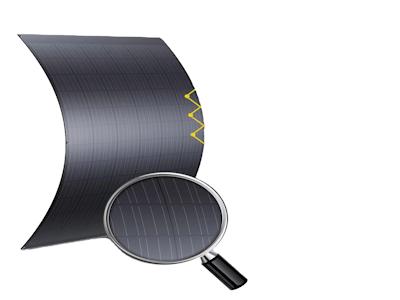
В современном мире, где экологические проблемы и энергетический кризис становятся все более актуальными, огромные солнечные панели для промышленных масштабов привлекают все больше внимания. Но что мы действительно знаем об этих технологиях? Как они работают? Насколько они эффективны? И главное — стоит ли инвестировать в них? В этой статье мы подробно ответим на эти и многие другие вопросы, чтобы помочь вам разобраться в этой важной теме.
Промышленные солнечные панели — это крупномасштабные системы, предназначенные для генерации электроэнергии в коммерческих и промышленных целях. В отличие от бытовых установок, они могут покрывать площади в несколько гектаров и производить мегаватты энергии. Но как именно они устроены? Обычно такие системы состоят из множества фотоэлектрических модулей, подключенных к инверторам и системам хранения энергии. Ключевые компоненты включают солнечные панели (часто на основе кремния), mounting structures для установки, и sophisticated control systems для оптимизации выработки энергии. Почему именно кремний? Потому что он обладает высоким КПД и относительно низкой стоимостью, что делает его идеальным для масштабирования. Однако, существуют и альтернативные материалы, такие как тонкопленочные технологии, которые могут быть более гибкими в применении. Но насколько они эффективны по сравнению с традиционными? Это один из многих вопросов, которые мы рассмотрим далее.
Принцип работы солнечных панелей основан на фотоэлектрическом эффекте, открытом еще в 19 веке. Когда солнечный свет попадает на панель, фотоны взаимодействуют с полупроводниковым материалом (например, кремнием), вызывая генерацию электрического тока. Но в промышленных масштабах все усложняется. Системы включают в себя массивы панелей, соединенных последовательно или параллельно, чтобы увеличить напряжение или ток. Инверторы преобразуют постоянный ток в переменный, пригодный для использования в сетях. Additionally, tracking systems могут использоваться для поворота панелей вслед за солнцем, увеличивая эффективность на 20-30%. Но действительно ли это того стоит? Затраты на установку и обслуживание таких систем могут быть высокими, поэтому важно оценить, окупятся ли они в долгосрочной перспективе. Кроме того, как погодные условия влияют на выработку энергии? В облачные дни или ночью производство падает, что требует интеграции с системами хранения, такими как батареи. Это подводит нас к следующему вопросу: насколько надежны эти системы?
Эффективность солнечных панелей измеряется в процентах и показывает, какая часть солнечной энергии преобразуется в электрическую. Для промышленных систем средний КПД составляет около 15-22%, в зависимости от технологии. Но почему не больше? Ограничения связаны с физическими свойствами материалов и потерями энергии due to heat or reflection. Однако, advancements in technology, such as PERC cells or bifacial panels, are pushing these limits. Например, двусторонние панели могут улавливать свет с обеих сторон, увеличивая output на 5-10%. Но как это translates в реальных условиях? На производительность также влияют factors like angle of installation, cleanliness of panels, and local climate. В солнечных регионах, таких как пустыни, output может быть очень высоким, но в более пасмурных areas it drops significantly. Это raises the question: where are the best locations for industrial solar farms? Typically, areas with high solar irradiance, such as the Middle East, Australia, or parts of the USA, are ideal. But what about colder regions? Surprisingly, solar panels can work well in cold weather because lower temperatures improve efficiency, though snow cover can be a challenge. So, how do we maximize performance? Regular maintenance, including cleaning and inspection, is crucial. Additionally, using AI and IoT for predictive maintenance can reduce downtime and increase longevity. But is it worth the investment? Let's delve into the economics.
Инвестирование в огромные солнечные панели требует значительных капиталовложений. Стоимость установки промышленной солнечной электростанции может варьироваться от $0.5 до $1.5 за ватт, depending on scale and technology. For a 1 MW system, that's $500,000 to $1.5 million. But why such a range? Factors include panel type, installation complexity, and location-specific costs like land acquisition or grid connection. However, costs have been declining steadily over the past decade due to technological improvements and economies of scale. In fact, the levelized cost of energy (LCOE) for solar has become competitive with fossil fuels in many regions. LCOE accounts for all costs over the lifetime of the system, including operation and maintenance. For solar, it can be as low as $0.03 per kWh in optimal conditions, compared to $0.05-$0.07 for coal or gas. But what about subsidies and incentives? Many governments offer tax credits, grants, or feed-in tariffs to promote renewable energy, which can significantly reduce the payback period. Typically, industrial solar systems have a payback time of 5-10 years, after which they generate virtually free electricity for another 15-20 years. But are there hidden costs? Yes, such as insurance, grid fees, and potential costs for energy storage. Storage systems, like lithium-ion batteries, can add 20-30% to the total cost but are essential for reliability. So, is solar a good investment? For many businesses, yes, especially with rising energy prices and increasing regulatory pressure to reduce carbon footprints. But it requires careful planning and risk assessment. What risks are involved? Let's explore that next.
Несмотря на преимущества, промышленные солнечные панели сталкиваются с несколькими рисками. Во-первых, технологические риски: панели могут деградировать со временем, теряя около 0.5-1% эффективности в год. Кроме того, экстремальные погодные условия, такие как град или ураганы, могут повредить оборудование. Во-вторых, рыночные риски: колебания цен на энергию или changes in government policies can affect profitability. For example, if subsidies are reduced, the economic viability may diminish. Third, operational risks: system failures, theft, or vandalism can lead to downtime and repair costs. How can these be mitigated? Through diversification, insurance, and robust design. For instance, using durable materials and incorporating redundancy in critical components. Additionally, monitoring systems can detect issues early. But what about environmental risks? Solar farms require large land areas, which can lead to habitat loss or land use conflicts. However, many projects are now being integrated with agriculture (agrivoltaics) or built on degraded land to minimize impact. Another challenge is the intermittency of solar power. Without storage, energy production is variable, which can strain the grid. This is where energy storage systems come in, but they add complexity and cost. So, is solar reliable enough for base load power? Not yet, but with advancements in storage and grid management, it's becoming more feasible. What does the future hold? Let's look ahead.
Одним из главных drivers для adoption солнечной энергии является ее положительное воздействие на окружающую среду. В отличие от ископаемого топлива, solar power produces no greenhouse gas emissions during operation. But what about the manufacturing process? Yes, production of solar panels involves energy-intensive processes and can generate emissions, but studies show that the carbon footprint is offset within 1-3 years of operation. Over its lifetime, a solar panel can prevent tons of CO2 emissions. For example, a 1 MW solar farm can reduce CO2 by approximately 1,000 tons per year compared to coal. Additionally, solar energy reduces air pollution, which is linked to health problems like asthma and heart disease. But are there any downsides? The production of panels requires rare materials, such as silver and silicon, which mining can have environmental impacts. However, recycling programs are emerging to address this. Moreover, solar farms use water primarily for cleaning, which is minimal compared to thermal power plants. In fact, solar energy is one of the most water-efficient power sources. Why is this important? In water-scarce regions, this can be a significant advantage. So, from an environmental perspective, solar is a clear winner. But how does it compare to other renewables? Wind and hydro have their own benefits, but solar offers scalability and flexibility in installation. What about social benefits? Solar projects can create jobs in manufacturing, installation, and maintenance, contributing to local economies. But are there any ethical concerns? For instance, the sourcing of materials should be done responsibly to avoid human rights issues. Overall, the environmental benefits are substantial, but continuous improvement is needed.
Технологии солнечной энергии rapidly evolving. What can we expect in the future? First, efficiency improvements: researchers are working on perovskite solar cells, which could achieve efficiencies over 30%, compared to current ~22%. Second, cost reductions: as manufacturing scales up, prices will continue to fall, making solar even more accessible. Third, integration with other technologies: such as hydrogen production or smart grids, which will enhance reliability and versatility. For example, solar-to-hydrogen systems can store energy long-term. Fourth, advancements in storage: new battery technologies, like solid-state or flow batteries, will make energy storage cheaper and more efficient. But what about challenges? The intermittency issue remains, but with better forecasting and grid management, it can be mitigated. Additionally, the rise of digital twins and AI will allow for optimized operation and predictive maintenance. Geopolitically, solar energy can reduce dependence on imported fossil fuels, enhancing energy security. However, there might be resistance from traditional energy sectors. So, is solar the ultimate solution? Probably not alone, but as part of a diversified renewable energy mix, it will play a crucial role in achieving carbon neutrality by 2050. What should businesses do now? Start planning and investing in solar to stay ahead of regulations and market trends. But remember, every project is unique, so custom solutions are key.
В заключение, огромные солнечные панели для промышленных масштабов предлагают многообещающие возможности для снижения costs, улучшения экологии и обеспечения energy independence. Однако, они требуют тщательного анализа costs, рисков и local условий. С развитием технологий и поддержкой governments, solar energy становится increasingly viable. Whether you're a business owner, policymaker, or simply curious, it's clear that solar is here to stay and will shape the future of energy. So, what's your next step? Evaluate your energy needs, consult experts, and consider pilot projects to test the waters. The sun is a powerful resource – are you ready to harness it?
This article has covered key aspects, but remember, the field is constantly changing. Stay informed and keep questioning to make the best decisions for a sustainable future.
Название компании:Shenzhen Shine Solar Co., Ltd. Адрес:206, 208, 210, 211, Building D, Yabian Community Yabian Xueziwei Industrial Park, Shajing Street, Shenzhen, Guangdong, China Контактные лица:Shawn Телефон:1388xx888xx Мобильные телефоны:1388xx888xx