
Горячая линия
1388xx888xx
Горячая линия
1388xx888xx
Свяжитесь с нами
Адрес:206, 208, 210, 211, Building D, Yabian Community Yabian Xueziwei Industrial Park, Shajing Street, Shenzhen, Guangdong, China
Почтовый ящик:1388xx888xx@gmail.com
Мобильные телефоны:1388xx888xx
Телефон:1388xx888xx
Текущее местоположение:Главная страница> Информационный центр> Солнечная энергия бум на российском рынке инновационные решения
Добавить время:2025-12-20
В последние годы солнечная энергия переживает настоящий бум на российском рынке, становясь ключевым элементом в стратегии перехода к устойчивому развитию и снижению зависимости от ископаемых ресурсов. Инновационные решения в этой области не только способствуют экологической стабильности, но и открывают новые экономические возможности для бизнеса и частных лиц. В этой статье мы подробно рассмотрим причины этого бума, основные технологии, вызовы и перспективы солнечной энергетики в России.
Солнечная энергия, как один из наиболее доступных и экологически чистых источников энергии, играет всё более важную роль в глобальном энергетическом балансе. В России, с её обширными территориями и разнообразными климатическими условиями, потенциал солнечной энергетики огромен. Несмотря на историческую зависимость от нефти и газа, страна активно инвестирует в возобновляемые источники энергии, включая солнечную, что обусловлено как международными обязательствами по сокращению выбросов парниковых газов, так и внутренними экономическими интересами.
Согласно данным Международного энергетического агентства (МЭА), доля солнечной энергии в мировом энергопотреблении растёт экспоненциально, и Россия не остаётся в стороне. За последнее десятилетие установленная мощность солнечных электростанций в стране увеличилась в несколько раз, благодаря государственным программам поддержки и частным инвестициям. Это не только помогает диверсифицировать энергетический сектор, но и создаёт новые рабочие места и стимулирует технологические инновации.
Бум солнечной энергии в России вызван несколькими ключевыми факторами. Во-первых, это растущая осведомлённость об изменении климата и необходимости перехода к низкоуглеродной экономике. Правительство России присоединилось к Парижскому соглашению по климату, что обязывает страну сокращать выбросы CO2. Солнечная энергия, как возобновляемый источник, идеально подходит для этих целей, поскольку она не производит вредных выбросов в процессе генерации.
Во-вторых, экономические выгоды становятся всё более очевидными. Стоимость солнечных панелей и сопутствующего оборудования значительно снизилась за последние годы благодаря технологическим advancements и масштабированию производства. Это делает солнечную энергию более конкурентоспособной по сравнению с традиционными источниками, такими как уголь или газ. Кроме того, государственные субсидии и льготы, такие as программы поддержки возобновляемой энергетики, стимулируют инвестиции в этот сектор.
В-третьих, энергетическая безопасность играет crucial роль. Россия, как крупный экспортёр энергоресурсов, стремится снизить зависимость от колебаний мировых цен на нефть и газ. Развитие солнечной энергетики позволяет диверсифицировать внутреннее энергоснабжение, особенно в удалённых регионах, где подключение к централизованным сетям затруднено или дорого. Это не только улучшает надёжность энергосистемы, но и способствует социально-экономическому развитию этих территорий.
Инновации являются двигателем бума солнечной энергии в России. Современные технологии позволяют повысить эффективность и снизить затраты на генерацию солнечной энергии. Одна из ключевых инноваций — это развитие фотоэлектрических (PV) панелей с повышенным КПД. Традиционные кремниевые панели уступают место новым материалам, таким как перовскиты и тонкоплёночные технологии, которые могут достигать эффективности свыше 25%. Это означает, что меньше панелей требуется для генерации того же количества энергии, что снижает затраты на установку и эксплуатацию.
Другой важной инновацией является интеграция систем хранения энергии, таких как литий-ионные аккумуляторы. Солнечная энергия intermittent — она доступна только в дневное время и зависит от погодных условий. Аккумуляторы позволяют хранить избыточную энергию для использования в ночное время или в периоды низкой инсоляции, что повышает надёжность и стабильность энергоснабжения. В России уже реализуются проекты по созданию гибридных систем, сочетающих солнечные панели с аккумуляторами, особенно в удалённых районах Сибири и Дальнего Востока.
Умные сети (smart grids) и цифровизация также играют crucial роль. С помощью IoT (Internet of Things) и AI (искусственного интеллекта) можно оптимизировать распределение энергии, предсказывать generation based on weather forecasts, и управлять нагрузкой в real-time. Это не только повышает efficiency, но и снижает потери в сетях. Российские компании, такие как «Россети» и частные стартапы, активно внедряют эти технологии, создавая более гибкую и устойчивую энергетическую инфраструктуру.
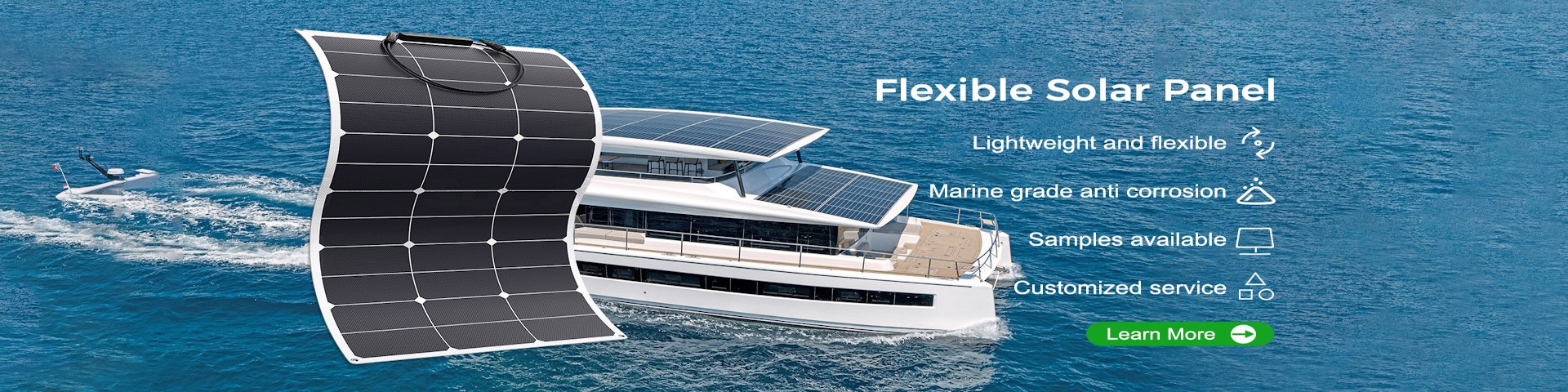
Кроме того, инновации в монтаже и установке solar systems делают их более доступными. Например, разработка лёгких и гибких панелей позволяет устанавливать их на крышах зданий, фасадах, и даже на mobile structures. Это открывает новые возможности для urban areas, where space is limited. В России такие решения находят применение в строительстве energy-efficient зданий и в agricultural sector, где solar panels can be integrated into greenhouses or irrigation systems.
Солнечная энергия предлагает numerous преимущества для российского рынка. Во-первых, это экологические benefits. Использование solar energy reduces greenhouse gas emissions, air pollution, and dependence on fossil fuels. Это aligns with global trends and enhances Russia's image as a responsible global actor. Кроме того, it contributes to biodiversity conservation by reducing land degradation associated with mining and extraction activities.
Во-вторых, экономические выгоды значительны. Solar energy can lower electricity costs for consumers in the long run, especially as technology costs decline. It also creates jobs in manufacturing, installation, maintenance, and R&D. По оценкам, solar sector в России уже обеспечивает thousands of jobs, and this number is expected to grow. Кроме того, export opportunities arise for Russian companies that develop innovative technologies, allowing them to compete on international markets.
В-третьих, энергетическая independence улучшается. Solar energy can be generated locally, reducing reliance on imported fuels and enhancing energy security. This is particularly important for remote regions, where diesel generators are often used and are expensive to operate. Solar power provides a reliable and cost-effective alternative, improving quality of life and economic opportunities in these areas.
Социальные benefits также noteworthy. Access to clean energy can improve healthcare, education, and overall living standards, especially in rural communities. Solar projects often involve community engagement, fostering a sense of ownership and sustainability. Additionally, educational programs and awareness campaigns help spread knowledge about renewable energy, inspiring future generations to pursue careers in this field.
Несмотря на optimistic prospects, solar energy in Russia faces several challenges. One major barrier is the high initial investment cost. Although costs have decreased, setting up a solar power plant or residential system still requires significant capital, which can be a deterrent for small businesses and individuals. Government subsidies and financing schemes are available, but they may not be sufficient or accessible to all.
Another challenge is the climatic conditions. Russia has vast regions with low solar insolation, especially in the north, where winters are long and dark. This limits the efficiency and feasibility of solar energy in these areas. However, technological innovations, such as bifacial panels that capture light from both sides or tracking systems that follow the sun, can mitigate this issue to some extent.
Infrastructure and grid integration pose additional hurdles. The existing energy grid in Russia is designed for centralized fossil fuel generation, and integrating distributed renewable sources requires upgrades to handle variability and ensure stability. This involves investments in smart grid technologies and energy storage, which can be costly and time-consuming.
Regulatory and bureaucratic barriers also exist. The process of obtaining permits, connecting to the grid, and accessing incentives can be complex and slow, discouraging potential investors. Additionally, there is a need for stronger policies and long-term commitments from the government to provide certainty and attract private investment.
Public awareness and acceptance are another factor. While interest in renewable energy is growing, some segments of the population may be skeptical or uninformed about the benefits of solar power. Education and outreach efforts are essential to build support and encourage adoption.
The future of solar energy in Russia looks promising, driven by continuous technological advancements and supportive policies. The government's energy strategy aims to increase the share of renewables in the energy mix to 4-5% by 2030, with solar playing a significant role. This target is achievable with sustained investment and innovation.
Technological trends will continue to evolve. Research in new materials, such as organic photovoltaics and quantum dot solar cells, could further improve efficiency and reduce costs. Energy storage solutions will become more affordable and widespread, enabling greater penetration of solar energy into the grid. Additionally, digitalization and AI will optimize energy management, making systems more efficient and reliable.
Market opportunities are expanding. The demand for clean energy is rising not only from the power sector but also from industries like transportation (e.g., electric vehicles charged with solar power) and agriculture. Russian companies are well-positioned to capitalize on this growth, especially if they focus on innovation and collaboration with international partners.
International cooperation can accelerate development. Russia can learn from experiences of countries like Germany and China, which are leaders in solar energy. Joint ventures, technology transfer, and participation in global initiatives can help overcome challenges and foster growth.
In conclusion, the solar energy boom in Russia is a transformative trend with immense potential. By embracing innovative solutions and addressing challenges, Russia can harness the power of the sun to build a sustainable and prosperous future. The journey requires collective effort from government, industry, and society, but the rewards—environmental, economic, and social—are well worth it.
This article has provided a comprehensive overview of the solar energy boom in Russia, highlighting innovative solutions, advantages, challenges, and prospects. As the market continues to evolve, staying informed and engaged will be key to maximizing the benefits of this renewable resource.
Название компании:Shenzhen Shine Solar Co., Ltd. Адрес:206, 208, 210, 211, Building D, Yabian Community Yabian Xueziwei Industrial Park, Shajing Street, Shenzhen, Guangdong, China Контактные лица:Shawn Телефон:1388xx888xx Мобильные телефоны:1388xx888xx