Горячая линия
1388xx888xx
Горячая линия
1388xx888xx
Свяжитесь с нами
Адрес:206, 208, 210, 211, Building D, Yabian Community Yabian Xueziwei Industrial Park, Shajing Street, Shenzhen, Guangdong, China
Почтовый ящик:1388xx888xx@gmail.com
Мобильные телефоны:1388xx888xx
Телефон:1388xx888xx
Текущее местоположение:Главная страница> Информационный центр> Солнечные монтажные системы ключ к эффективной генерации энергии
Добавить время:2025-12-18
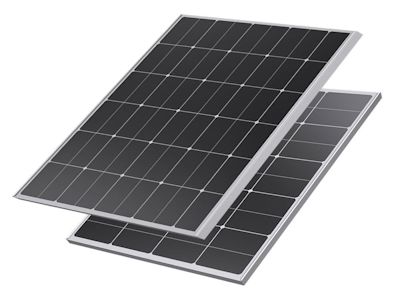
В современном мире, где вопросы экологии и устойчивого развития выходят на первый план, солнечная энергия становится одним из наиболее перспективных источников возобновляемой энергии. Однако эффективность генерации этой энергии во многом зависит не только от качества солнечных панелей, но и от систем их монтажа. Солнечные монтажные системы играют ключевую роль в обеспечении стабильности, безопасности и максимальной производительности фотоэлектрических установок. В этой статье мы подробно рассмотрим, почему эти системы являются незаменимым элементом в цепочке генерации солнечной энергии, их типы, преимущества, а также будущие тенденции развития.
Солнечная энергетика — это отрасль, которая использует энергию солнца для производства электричества или тепла. За последние десятилетия она пережила значительный рост благодаря технологическим инновациям, снижению затрат и повышению осведомленности об изменении климата. По данным Международного энергетического агентства (МЭА), доля солнечной энергии в мировом энергобалансе продолжает увеличиваться, и к 2050 году она может стать одним из основных источников энергии. Это не только способствует сокращению выбросов парниковых газов, но и обеспечивает энергетическую независимость для многих стран.
Однако переход на солнечную энергию требует не просто установки панелей на крыше или на земле. Критически важным аспектом является правильный монтаж, который обеспечивает оптимальный угол наклона, ориентацию и устойчивость к внешним воздействиям, таким как ветер, снег и дождь. Неправильная установка может привести к снижению эффективности на 20-30%, а в极端 случаях — к повреждению оборудования или даже авариям. Таким образом, солнечные монтажные системы становятся фундаментом для успешной реализации проектов в области солнечной энергетики.
Солнечные монтажные системы можно классифицировать по нескольким критериям, включая место установки, материал и способ крепления. Основные типы включают крышные, наземные и трекерные системы.
Крышные системы являются наиболее распространенным типом, особенно в жилом и коммерческом секторах. Они устанавливаются на крышах зданий и могут быть further подразделены на системы с проникновением в кровлю (проникающие) и без проникновения (балластные). Проникающие системы используют болты или анкеры для крепления к конструкции крыши, что обеспечивает высокую стабильность, но требует профессионального монтажа во избежание протечек. Балластные системы, с другой стороны, используют вес (например, бетонные блоки) для фиксации, что минимизирует вмешательство в кровлю, но может быть менее устойчивым в регионах с сильными ветрами.
Преимущества крышных систем включают экономию пространства, так как они используют уже существующие поверхности, и относительно низкую стоимость установки по сравнению с наземными вариантами. Однако они могут быть ограничены углом и ориентацией крыши, что требует тщательного планирования для максимизации exposure к солнечному свету.
Наземные системы устанавливаются на открытых участках земли и часто используются в крупных солнечных электростанциях или в сельской местности, где доступно достаточно пространства. Эти системы typically состоят из металлических рам или стоек, которые закрепляются в грунте с помощью бетонных фундаментов или винтовых свай. Они предлагают большую гибкость в terms of ориентации и угла наклона, что позволяет оптимизировать генерацию энергии throughout the day.
Ключевые преимущества наземных систем — это возможность масштабирования и легкий доступ для обслуживания. Однако они требуют больше земли, что может быть проблематичным в urban areas, и higher initial costs due to земляные работы и фундамент. Additionally, они могут быть подвержены воздействию окружающей среды, such as vegetation growth or animal activity, что necessitates regular maintenance.
Трекерные системы представляют собой продвинутый тип монтажа, который автоматически adjusts the position of solar panels to follow the sun's path throughout the day. Это значительно increases energy production by up to 25-30% compared to fixed systems. Трекеры can be single-axis (tracking the sun from east to west) or dual-axis (tracking both azimuth and elevation), with dual-axis being more efficient but also more expensive and complex.
Хотя трекерные systems offer superior efficiency, они требуют больше энергии для operation (due to motors and controls), higher maintenance, and are generally used in utility-scale projects where the additional output justifies the cost. Их installation также demands precise engineering to ensure durability against weather conditions.
Качество материалов, используемых в solar mounting systems, directly impacts their longevity and performance. Common materials include aluminum, steel, and sometimes composites. Aluminum is lightweight, corrosion-resistant, and ideal for most applications, but it may not be as strong as steel in high-wind areas. Steel offers greater strength and durability but is heavier and prone to rust if not properly coated with anti-corrosion treatments.
Конструкция systems также варьируется: some are modular for easy assembly, while others are custom-designed for specific projects. Key components include rails, clamps, brackets, and foundations. For example, in roof-mounted systems, rails are attached to the roof structure, and panels are clamped onto these rails. Proper design ensures even weight distribution and resistance to uplift forces from wind.
Innovations in materials, such as the use of galvanized steel or aluminum alloys with enhanced properties, are continuously improving the reliability of these systems. Additionally, modular designs allow for quicker installation and scalability, reducing overall project timelines and costs.
Эффективные солнечные монтажные системы provide numerous benefits that extend beyond mere installation. Firstly, they maximize energy yield by ensuring optimal panel orientation and tilt. Studies show that a well-designed mounting system can increase energy production by 10-15% compared to suboptimal setups. This is crucial for achieving a faster return on investment (ROI) in solar projects.
Secondly, these systems enhance safety and durability. They are engineered to withstand extreme weather events, such as hurricanes or heavy snow loads, preventing damage to panels and underlying structures. For instance, in regions with high wind speeds, systems are tested to meet specific standards (e.g., UL 2703 or IEC 61215) to ensure they can handle wind loads up to certain limits.
Thirdly, modular and adaptable designs facilitate easy maintenance and upgrades. If a panel needs replacement or if technology improves, a good mounting system allows for straightforward access without major disassembly. This reduces downtime and operational costs over the system's lifespan, which typically exceeds 25 years.
Moreover, efficient mounting contributes to environmental sustainability by minimizing waste during installation and enabling the use of recyclable materials. Many manufacturers now focus on eco-friendly production processes, aligning with the green ethos of solar energy itself.
Несмотря на преимущества, установка solar mounting systems faces several challenges. One major issue is site-specific factors, such as roof type, soil conditions for ground mounts, or local building codes. For example, installing on a tile roof requires different mounting techniques than on a metal roof to avoid damage. Solutions include conducting thorough site assessments and using adjustable mounting components that can accommodate various surfaces.
Another challenge is cost. High-quality mounting systems can add significant expense to a solar project, especially for advanced options like trackers. However, this is often offset by the increased energy production and longer lifespan. Financing options and government incentives can help mitigate upfront costs.
Technical challenges involve ensuring structural integrity and compliance with standards. Poor installation can lead to failures, such as panels detaching in high winds. To address this, training for installers and adherence to international standards (e.g., from organizations like the International Renewable Energy Agency) are essential. Additionally, digital tools like BIM (Building Information Modeling) are being used to simulate and optimize mounting designs before installation.
Environmental factors, such as shading from trees or buildings, can also reduce efficiency. Solutions include using mounting systems that allow for elevation or tilt adjustments to minimize shading impact, or incorporating micro-inverters that optimize performance at the panel level.
Будущее solar mounting systems is shaped by technological advancements and evolving market demands. One trend is the integration of smart technology, such as IoT sensors, that monitor system performance in real-time. These sensors can detect issues like misalignment or stress, enabling predictive maintenance and reducing downtime.
Another trend is the development of lightweight and flexible mounting solutions for unconventional applications, such as on vehicles or portable setups. This expands the potential for solar energy in remote areas or emergency situations.
Sustainability is also a key driver, with increased focus on using recycled materials and designing systems for easy disassembly and recycling at end-of-life. Circular economy principles are being adopted to minimize environmental impact.
Furthermore, as solar costs continue to fall, there is a push towards standardization and prefabrication of mounting systems to streamline installation and reduce costs. This could make solar energy more accessible to a broader audience, including developing regions.
In the long term, advancements in materials science, such as the use of carbon fiber or bio-based composites, may lead to even more durable and efficient mounting options. Coupled with AI-driven design tools, the future holds promise for highly optimized, cost-effective systems that further enhance energy generation.
В заключение, солнечные монтажные системы являются незаменимым компонентом в цепи генерации солнечной энергии, обеспечивая not only structural support but also significantly impacting efficiency, safety, and longevity. От выбора правильного типа и материалов до учета местных условий и будущих инноваций, these systems require careful consideration to unlock the full potential of solar power. As the world moves towards a more sustainable energy future, investing in high-quality mounting solutions will be key to maximizing the benefits of solar energy and combating climate change. Пусть эта статья послужит inspiration для deeper exploration и adoption этих critical technologies.
Солнечная энергия — это не просто trend; это necessity для нашего planeta. И с правильными монтажными системами, мы можем harness её power effectively и efficiently для generations to come.
Название компании:Shenzhen Shine Solar Co., Ltd. Адрес:206, 208, 210, 211, Building D, Yabian Community Yabian Xueziwei Industrial Park, Shajing Street, Shenzhen, Guangdong, China Контактные лица:Shawn Телефон:1388xx888xx Мобильные телефоны:1388xx888xx