
Горячая линия
1388xx888xx
Горячая линия
1388xx888xx
Свяжитесь с нами
Адрес:206, 208, 210, 211, Building D, Yabian Community Yabian Xueziwei Industrial Park, Shajing Street, Shenzhen, Guangdong, China
Почтовый ящик:1388xx888xx@gmail.com
Мобильные телефоны:1388xx888xx
Телефон:1388xx888xx
Текущее местоположение:Главная страница> Информационный центр> Инновационные солнечные модули зажгут вашу жизнь без счетов
Добавить время:2025-12-15
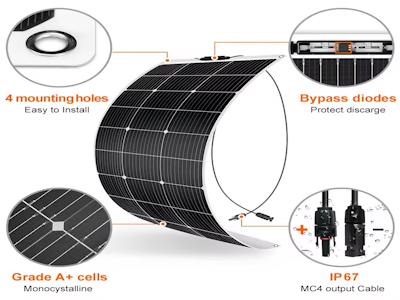
В современном мире, где цены на энергию постоянно растут, а экологические проблемы становятся все более острыми, поиск устойчивых решений для энергоснабжения становится не просто модным трендом, а насущной необходимостью. Представьте себе жизнь, в которой вы больше не зависите от ежемесячных счетов за электричество, где ваш дом питается от чистого, безграничного источника энергии — солнца. Это не фантастика, а реальность, которую делают возможной инновационные солнечные модули. В этой статье мы глубоко погрузимся в мир солнечной энергетики, раскроем все аспекты этих технологий, объясним, как они работают, и покажем, почему именно сейчас — идеальное время для перехода на солнечную энергию. От основ физики до практических советов по установке — мы cover everything, чтобы вы могли сделать осознанный выбор и начать жить без счетов, наслаждаясь свободой и экологической ответственностью.
Солнечная энергия — это не просто альтернатива традиционным источникам; это революция в том, как мы производим и потребляем энергию. Основанная на преобразовании солнечного света в электричество с помощью фотоэлектрических элементов, эта технология имеет корни еще в XIX веке, но только в последние десятилетия она достигла такого уровня эффективности и доступности, что стала реальным конкурентом ископаемым топливам. Солнце — это гигантский ядерный реактор, расположенный в 150 миллионах километров от Земли, и каждый день оно посылает на нашу планету количество энергии, в тысячи раз превышающее все мировые потребности. Захватить даже малую часть этой энергии — значит открыть дверь в мир, где энергия дешева, чиста и неиссякаема.
Исторически, первые солнечные элементы были созданы в 1954 году в Bell Labs, и с тех пор технология прошла долгий путь. Ранние модули имели КПД всего около 6%, но сегодня инновационные солнечные панели могут достигать эффективности более 22%, а в лабораторных условиях — и до 47%. Это означает, что современные системы могут генерировать significantly more electricity from the same amount of sunlight, making them incredibly efficient and cost-effective. Moreover, the cost of solar panels has plummeted by over 80% since 2010, thanks to mass production, improvements in manufacturing processes, and government incentives. This democratization of solar energy means that it is no longer reserved for the wealthy or for large-scale projects; anyone with a rooftop can now harness the power of the sun.
Но почему именно сейчас солнечная энергия становится такой популярной? Ответ lies in a combination of factors: rising electricity prices, growing environmental awareness, and technological advancements. In many parts of the world, the cost of electricity from the grid is increasing due to inflation, infrastructure costs, and geopolitical tensions. At the same time, people are becoming more conscious of their carbon footprint and the need to combat climate change. Solar energy offers a way to reduce both expenses and environmental impact. Additionally, innovations in battery storage, smart grid technology, and energy management systems have made it easier than ever to integrate solar power into daily life, ensuring a reliable and continuous supply of energy even when the sun isn't shining.
В этой статье мы will explore every facet of innovative solar modules, from how they work to how you can benefit from them. We'll discuss the different types of solar panels available, their advantages and disadvantages, and how to choose the right one for your needs. We'll delve into the economics of solar energy, including costs, savings, and return on investment. We'll also cover the environmental benefits, such as reducing greenhouse gas emissions and promoting sustainability. Furthermore, we'll provide practical guidance on installation, maintenance, and maximizing the efficiency of your solar system. By the end of this article, you will have a comprehensive understanding of why solar energy is the key to a bill-free life and how you can make the switch today.
Чтобы fully appreciate the power of solar modules, it's essential to understand the science behind them. At the heart of every solar panel is the photovoltaic (PV) effect, a process discovered by French physicist Edmond Becquerel in 1839. The PV effect occurs when certain materials, such as silicon, absorb photons from sunlight and release electrons, generating an electric current. Modern solar cells are typically made from silicon, which is abundant and has excellent semiconductor properties. There are several types of silicon cells: monocrystalline, polycrystalline, and thin-film, each with its own characteristics and efficiency levels.
Monocrystalline solar cells are made from a single crystal structure, which allows for higher efficiency and a longer lifespan. They are easily recognizable by their uniform black color and rounded edges. Polycrystalline cells, on the other hand, are made from multiple crystal fragments, resulting in a bluish hue and slightly lower efficiency but at a lower cost. Thin-film solar cells are made by depositing thin layers of photovoltaic material onto a substrate, such as glass or metal. They are flexible and lightweight, making them suitable for unconventional applications, but they generally have lower efficiency and degrade faster than crystalline silicon cells.
The process of generating electricity begins when sunlight hits the solar cell. The photons in the sunlight transfer their energy to the electrons in the silicon, knocking them loose from their atoms. This creates electron-hole pairs. The structure of the solar cell includes a p-n junction, which is a boundary between two types of semiconductor materials: p-type (positive) and n-type (negative). This junction creates an electric field that pushes the free electrons toward the n-side and the holes toward the p-side. When an external circuit is connected, electrons flow from the n-side to the p-side, creating a direct current (DC) electricity.
However, most homes and businesses use alternating current (AC) electricity, so the DC electricity generated by solar panels must be converted. This is done by an inverter, which is a crucial component of any solar power system. Modern inverters are highly efficient and can also perform functions like maximum power point tracking (MPPT) to optimize the energy harvest from the panels. Additionally, many systems now include microinverters or power optimizers, which are attached to individual panels to improve performance, especially in shaded conditions.
Инновации в solar technology don't stop at the cell level. Researchers are constantly developing new materials and designs to increase efficiency and reduce costs. For example, perovskite solar cells have emerged as a promising alternative to silicon, with the potential for higher efficiency and lower production costs. Bifacial solar panels, which can capture sunlight from both sides, are another innovation that boosts energy generation. Furthermore, solar tiles and building-integrated photovoltaics (BIPV) allow for seamless integration of solar cells into roofs and facades, making solar power more aesthetically pleasing and accessible.
Understanding how solar modules work is the first step towards appreciating their potential. With advancements in technology, the efficiency of solar panels continues to improve, meaning that even in regions with less sunlight, solar energy can be a viable option. In the next sections, we'll explore the specific benefits of these innovations and how they can lead to a life without electricity bills.
При выборе солнечных модулей важно понимать различия между available options to make an informed decision that suits your specific situation. The three main types of solar panels are monocrystalline, polycrystalline, and thin-film, each with its own pros and cons.
Monocrystalline panels are known for their high efficiency, typically ranging from 15% to 22%. They are made from high-purity silicon and have a sleek, black appearance. Because of their efficiency, they require less space to generate the same amount of power compared to other types, making them ideal for rooftops with limited area. However, they are generally more expensive due to the complex manufacturing process. These panels also perform better in low-light conditions and have a longer lifespan, often up to 25-30 years with minimal degradation.
Polycrystalline panels are less efficient, with rates usually between 13% and 16%. They have a blue, speckled look and are made by melting multiple silicon crystals together. The production process is simpler and cheaper, which makes polycrystalline panels more affordable upfront. They are a good choice for those on a budget or with ample roof space. However, they may not perform as well in high temperatures and have a slightly shorter lifespan compared to monocrystalline panels.
Thin-film panels are the least efficient, with efficiencies around 10% to 12%, but they offer flexibility and lightweight design. They are made by depositing thin layers of photovoltaic material, such as amorphous silicon, cadmium telluride, or copper indium gallium selenide, onto a substrate. Thin-film panels are easier to install on curved surfaces or large areas, and they are less affected by shading. However, they degrade faster and require more space for the same power output, so they are often used in large-scale commercial projects or specialized applications.
In addition to these traditional types, there are emerging technologies like bifacial panels, which can capture sunlight from both the front and back, increasing energy yield by up to 30%. Solar shingles and tiles are another option, blending seamlessly with roofing materials for a more aesthetic appeal. When choosing a solar module, consider factors such as your roof's size and orientation, local climate, budget, and energy needs. It's also wise to consult with a professional installer who can assess your situation and recommend the best type for maximum efficiency and savings.
Investing in the right type of solar panel is crucial for achieving long-term benefits. In the following sections, we'll discuss how these modules can lead to significant economic savings and environmental advantages.
Одним из самых compelling reasons to switch to solar energy is the economic benefit. While the initial investment in solar panels can be substantial, the long-term savings on electricity bills make it a wise financial decision. Let's break down the costs and savings involved.
The cost of a solar power system depends on several factors, including the size of the system, the type of panels chosen, and installation costs. On average, a residential solar system can cost between $10,000 and $30,000 before incentives. However, government incentives, such as tax credits, rebates, and grants, can significantly reduce this cost. For example, in the United States, the federal Investment Tax Credit (ITC) allows homeowners to deduct 26% of the installation cost from their taxes. Many states and local governments offer additional incentives, making solar more affordable than ever.
Once installed, solar panels begin generating free electricity from the sun. The amount of money saved depends on your local electricity rates and the amount of sunlight your location receives. In areas with high electricity prices, such as California or Germany, the payback period can be as short as 5-7 years. After that, the electricity generated is essentially free for the lifespan of the system, which is typically 25-30 years. This means that over time, you could save tens of thousands of dollars on energy bills.
Moreover, solar panels can increase the value of your property. Studies have shown that homes with solar installations sell for more than those without, as buyers appreciate the lower energy costs and environmental benefits. In some cases, the increase in property value can offset a significant portion of the initial investment.
Another economic advantage is the ability to earn money through net metering. Net metering allows you to send excess electricity generated by your solar panels back to the grid, earning credits on your utility bill. In some regions, you can even sell electricity back to the utility company at a premium rate. This not only reduces your bill to zero but can potentially generate income.
For those concerned about the upfront cost, there are financing options available, such as solar loans, leases, and power purchase agreements (PPAs). With a solar loan, you own the system and benefit from the savings, while with a lease or PPA, a third party owns the system, and you pay a fixed rate for the electricity generated, often lower than utility rates.
In summary, the economic benefits of solar modules are clear: reduced electricity bills, increased property value, and potential income from excess energy. By investing in solar, you are not only saving money but also making a smart long-term investment. In the next section, we'll explore the environmental impact of solar energy and how it contributes to a sustainable future.
Переход на солнечную энергию — это не только экономически выгодно, но и экологически ответственно. Традиционные источники энергии, такие как уголь, природный газ и нефть, являются основными contributors to greenhouse gas emissions, air pollution, and climate change. By harnessing solar power, we can significantly reduce our carbon footprint and promote a healthier planet.
Solar energy is clean and renewable, meaning it produces no harmful emissions during operation. Unlike fossil fuels, which release carbon dioxide (CO2), sulfur dioxide (SO2), and other pollutants into the atmosphere, solar panels generate electricity silently and without any air or water pollution. According to the U.S. Environmental Protection Agency (EPA), the average household solar system can offset approximately 3-4 tons of CO2 emissions annually, which is equivalent to planting over 100 trees each year.
Furthermore, solar energy reduces our dependence on finite resources. Fossil fuels are not only polluting but also subject to price volatility and geopolitical conflicts. By investing in solar, we can enhance energy security and stability. Solar power is abundant and distributed, meaning it can be generated locally, reducing the need for long-distance transmission and minimizing energy loss.
The manufacturing process of solar panels does have an environmental impact, primarily due to the energy and materials required. However, the energy payback time (EPBT) — the time it takes for a solar panel to generate the amount of energy used in its production — is typically only 1-3 years for modern panels. Given that panels last 25-30 years, they generate far more clean energy than the energy consumed in their making. Additionally, recycling programs for solar panels are becoming more common, helping to minimize waste and recover valuable materials like silicon and silver.
Solar energy also supports biodiversity and reduces land use impacts compared to other energy sources. For example, solar farms can be integrated with agricultural activities through agrivoltaics, where crops are grown underneath solar panels, providing shade and reducing water evaporation. This dual use of land maximizes productivity and sustainability.
By choosing solar modules, you are contributing to global efforts to combat climate change and protect the environment for future generations. The transition to renewable energy is essential for achieving the goals set forth in agreements like the Paris Agreement, and solar power plays a crucial role in this transition. In the next section, we'll provide practical advice on how to get started with solar energy, from assessment to installation.
Решив перейти на солнечную энергию, важно следовать четкому плану, чтобы ensure a smooth and successful installation. Here are the key steps involved in going solar.
First, conduct a energy audit of your home to determine your electricity consumption. Review your utility bills from the past year to understand your average usage patterns. This will help you size your solar system appropriately. A general rule of thumb is that a 5kW system can offset the energy needs of an average household, but this varies based on location, energy efficiency, and other factors.
Next, assess your roof's suitability for solar panels. Ideal roofs face south (in the Northern Hemisphere) and have a slope between 15 and 40 degrees. Shading from trees, buildings, or other obstructions can significantly reduce efficiency, so it's important to choose a location with minimal shade. If your roof is not suitable, ground-mounted systems are an alternative.
Then, research and choose a reputable solar installer. Look for companies with certifications, such as NABCEP (North American Board of Certified Energy Practitioners), and read reviews from previous customers. Get multiple quotes to compare prices, equipment options, and warranties. A good installer will conduct a site assessment and provide a detailed proposal including estimated energy production, costs, and savings.
Once you've selected an installer, they will handle the permitting process, which involves obtaining approvals from local authorities and your utility company. This can take several weeks, so patience is key. After permits are secured, the installation begins. This typically takes 1-3 days for a residential system and includes mounting the panels, installing the inverter, and connecting the system to your electrical panel and the grid.
After installation, the system must be inspected and approved by the utility company before it can be activated. Once operational, you can start enjoying free electricity from the sun. Monitor your system's performance through apps or online portals provided by the installer or inverter manufacturer. Regular maintenance, such as cleaning the panels and checking for damage, will ensure optimal performance over the years.
Finally, take advantage of incentives and financing options to minimize upfront costs. Apply for tax credits, rebates, and other programs available in your area. Consider solar loans or leases if needed. With proper planning and execution, you can quickly start saving on your electricity bills and contribute to a sustainable future.
Инновационные солнечные модули offer a transformative opportunity to break free from the shackles of rising energy costs and environmental degradation. By harnessing the power of the sun, you can achieve energy independence, save money, and protect the planet. The technology has never been more advanced or accessible, making now the perfect time to make the switch.
We've covered the science behind solar energy, the types of modules available, the economic and environmental benefits, and the practical steps to installation. Whether you're motivated by financial savings, environmental concerns, or simply the desire for self-sufficiency, solar energy provides a solution that benefits everyone.
Take action today by researching local installers, exploring incentives, and calculating your potential savings. Join the millions of homeowners and businesses worldwide who have already embraced solar power and are enjoying a life without electricity bills. The sun is shining — it's time to capture its energy and light up your future.
Remember, the journey to solar energy is an investment in your financial well-being and the health of our planet. With continuous innovations on the horizon, such as improved efficiency and integration with smart home technologies, the future of solar is brighter than ever. Don't wait — start your solar journey now and experience the freedom and satisfaction of generating your own clean, renewable energy.
Название компании:Shenzhen Shine Solar Co., Ltd. Адрес:206, 208, 210, 211, Building D, Yabian Community Yabian Xueziwei Industrial Park, Shajing Street, Shenzhen, Guangdong, China Контактные лица:Shawn Телефон:1388xx888xx Мобильные телефоны:1388xx888xx