
Горячая линия
1388xx888xx
Горячая линия
1388xx888xx
Свяжитесь с нами
Адрес:206, 208, 210, 211, Building D, Yabian Community Yabian Xueziwei Industrial Park, Shajing Street, Shenzhen, Guangdong, China
Почтовый ящик:1388xx888xx@gmail.com
Мобильные телефоны:1388xx888xx
Телефон:1388xx888xx
Текущее местоположение:Главная страница> Информационный центр> Почему кремний является основным сырьем для солнечных батарей
Добавить время:2025-12-14
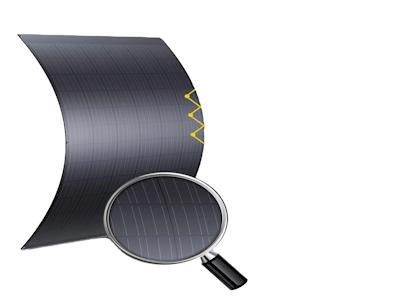
В современном мире, где возобновляемые источники энергии становятся все более важными, солнечные батареи играют ключевую роль в переходе к устойчивому будущему. Среди различных материалов, используемых для создания фотоэлектрических элементов, кремний выделяется как доминирующий выбор. Эта статья углубляется в причины, по которым кремний стал основным сырьем для солнечных батарей, исследуя его уникальные свойства, исторический контекст, экономические преимущества, экологические соображения и будущие тенденции. Мы рассмотрим, как кремний, будучи вторым по распространенности элементом в земной коре, превратился в сердце солнечной энергетики, и почему он продолжает удерживать лидирующие позиции, несмотря на появление альтернативных материалов.
Солнечная энергия – это один из самых перспективных источников возобновляемой энергии, способный значительно сократить зависимость от ископаемых топлив и mitigating climate change. Солнечные батареи, или фотоэлектрические (PV) элементы, преобразуют sunlight directly into electricity через photovoltaic effect. Этот эффект был впервые observed в 1839 году Edmondом Беккерелем, но практическое применение началось только в середине XX века с развитием semiconductor technology. Кремний, как semiconductor material, оказался идеальным кандидатом для этого due to its band gap, abundance, and maturity in processing techniques. Сегодня over 90% солнечных батарей worldwide производятся на основе кремния, underscoring its dominance. Этот раздел provides an overview of how silicon-based solar cells work and their importance in the global energy landscape, setting the stage for a deeper exploration of silicon's advantages.
Кремний (Si) – это химический элемент с atomic number 14, belonging to group 14 of the periodic table. It is a metalloid with properties that make it excellent for semiconductor applications. One key property is its band gap of approximately 1.1 electronvolts (eV), which is nearly ideal for absorbing sunlight in the visible spectrum. This band gap allows silicon to efficiently convert photons into electron-hole pairs, leading to electricity generation. Additionally, silicon has high carrier mobility, meaning electrons can move freely within the material, enhancing the efficiency of solar cells. Its crystalline structure, particularly in monocrystalline and polycrystalline forms, provides stability and durability, ensuring long-term performance in various environmental conditions. Chemically, silicon is relatively inert and forms a protective oxide layer when exposed to air, which prevents degradation and extends the lifespan of solar panels. Compared to other semiconductors like gallium arsenide or cadmium telluride, silicon offers a balance of performance, cost, and availability that is hard to match. This section delves into the scientific fundamentals that make silicon a superior choice for photovoltaics.
История кремниевых солнечных батарей began in the 1950s, when Bell Laboratories developed the first practical silicon solar cell with an efficiency of around 6%. This breakthrough was driven by the space race, as solar cells were used to power satellites. Over the decades, advancements in silicon purification, crystal growth (e.g., Czochralski process for monocrystalline silicon), and manufacturing techniques (e.g., screen printing for contacts) have steadily improved efficiencies, now exceeding 20% for commercial cells. The oil crises of the 1970s spurred further investment in solar energy, leading to mass production and cost reductions. Government policies, such as subsidies and feed-in tariffs, have also played a role in promoting silicon-based photovoltaics. Today, countries like China, the United States, and Germany are leaders in silicon solar cell production, with continuous innovations in PERC (Passivated Emitter and Rear Cell), heterojunction, and other technologies pushing efficiencies higher. This historical perspective highlights how silicon's early adoption and sustained R&D have cemented its position as the primary material, outpacing alternatives that emerged later but struggled to achieve similar scalability.
Экономика играет решающую роль в выборе материалов для солнечных батарей, и кремний предлагает значительные cost advantages. Во-первых, кремний abundantly available; it constitutes about 27.7% of the Earth's crust by weight, primarily in the form of silica (SiO2), found in sand and quartz. This abundance keeps raw material costs low compared to rarer elements used in alternative PV technologies. Secondly, the manufacturing infrastructure for silicon solar cells is well-established and highly optimized, leading to economies of scale. Mass production techniques, such as those used in the semiconductor industry, have driven down costs per watt from over $100 in the 1970s to less than $0.20 today. Additionally, silicon solar cells have a long lifespan (often 25-30 years) and low maintenance requirements, resulting in a favorable levelized cost of electricity (LCOE). Government incentives and decreasing prices of polysilicon—the purified form of silicon—have further enhanced affordability. In contrast, materials like cadmium telluride or organic perovskites face challenges related to scarcity, toxicity, or immature supply chains, making silicon the economically rational choice for large-scale deployment. This section analyzes cost factors, including material extraction, processing, and market dynamics, that favor silicon.
В эпоху growing environmental awareness, the sustainability of solar battery materials is critically important. Кремний scores well in this regard due to its non-toxic nature and recyclability. Unlike some alternatives that contain hazardous elements like cadmium or lead, silicon is environmentally benign, reducing risks during production, use, and disposal. The energy payback time—the time it takes for a solar panel to generate the energy used in its manufacture—has decreased significantly for silicon-based panels, now typically around 1-2 years for modern installations, thanks to improvements in manufacturing efficiency. Moreover, silicon solar panels are highly durable and can be recycled at end-of-life, with processes recovering valuable materials like silver and silicon for reuse. Life cycle assessments show that silicon PV systems have a low carbon footprint compared to fossil fuels, contributing to climate change mitigation. However, challenges remain, such as the energy-intensive process of purifying silicon and water usage in production, but ongoing innovations are addressing these issues. This section explores the environmental pros and cons, emphasizing why silicon is a sustainable choice aligned with global green energy goals.
Хотя кремний доминирует, существуют alternative materials for solar batteries, each with its own strengths and weaknesses. For example, cadmium telluride (CdTe) thin-film cells offer lower manufacturing costs and better performance in low-light conditions, but they contain toxic cadmium, raising environmental and health concerns. Copper indium gallium selenide (CIGS) cells have high theoretical efficiencies but rely on scarce and expensive indium and gallium. Perovskite solar cells are a promising emerging technology with rapid efficiency gains and low-cost potential, yet they suffer from stability issues and scalability challenges. Organic photovoltaics are flexible and lightweight but have lower efficiencies and shorter lifespans. In comparison, silicon provides a reliable, efficient, and scalable solution that has stood the test of time. Its market share remains overwhelming because alternatives have not yet overcome barriers related to durability, supply chain maturity, or public acceptance. This comparative analysis underscores that while innovation continues, silicon's综合 benefits make it the preferred material for the foreseeable future, with hybrids (e.g., silicon-perovskite tandem cells) potentially enhancing performance without displacing silicon entirely.
Будущее кремниевых солнечных батарей bright, driven by continuous technological innovations. Research is focused on increasing efficiency through advanced cell architectures like TOPCon (Tunnel Oxide Passivated Contact), IBC (Interdigitated Back Contact), and bifacial designs that capture light from both sides. Nanotechnology and surface texturing are being used to reduce反射 losses and improve light absorption. Additionally, efforts to reduce material usage, such as thinner wafers and kerfless wafering techniques, are lowering costs and environmental impact. The integration of silicon solar cells with energy storage systems and smart grids is enhancing their utility in renewable energy networks. Looking ahead, silicon is likely to remain dominant due to its entrenched position and ongoing improvements; however, it may evolve into tandem configurations with other materials to push efficiencies beyond 30%. Government policies and global commitments to decarbonization, such as the Paris Agreement, will further boost demand for silicon-based photovoltaics. This section discusses cutting-edge R&D and market trends, projecting that silicon will continue to be the backbone of solar energy for decades to come, adaptable to new challenges and opportunities.
В заключение, кремний заслуживает своего status as the primary raw material for solar batteries due to a combination of optimal physical properties, historical development, economic viability, environmental sustainability, and technological adaptability. Его abundance and non-toxic nature make it a responsible choice for large-scale energy production, while ongoing innovations ensure that it remains competitive against emerging alternatives. As the world accelerates its transition to renewable energy, silicon-based solar panels will play a pivotal role in reducing carbon emissions and achieving energy independence. While other materials may offer niche advantages, silicon's comprehensive benefits—rooted in decades of research and industrialization—make it the cornerstone of the photovoltaic industry. Stakeholders, including policymakers, investors, and consumers, should continue to support and invest in silicon technologies to harness their full potential for a sustainable future. This article has elucidated the multifaceted reasons behind silicon's dominance, affirming its critical importance in the global quest for clean energy.
Название компании:Shenzhen Shine Solar Co., Ltd. Адрес:206, 208, 210, 211, Building D, Yabian Community Yabian Xueziwei Industrial Park, Shajing Street, Shenzhen, Guangdong, China Контактные лица:Shawn Телефон:1388xx888xx Мобильные телефоны:1388xx888xx