

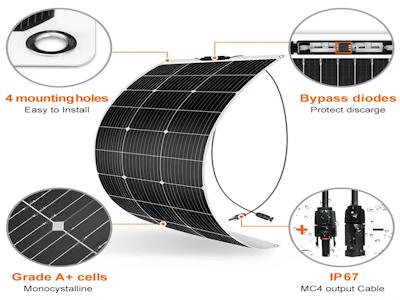
Введение: Почему солнечные элементы меняют мир
В современную эпоху, когда климатические изменения и энергетические кризисы становятся все более актуальными, солнечные элементы emerge как ключевое решение. Они представляют собой не просто технологию, а настоящую революцию, которая переопределяет то, как мы производим и потребляем энергию. С каждым годом стоимость солнечных панелей снижается, а их эффективность растет, делая возобновляемую энергию доступной для миллионов людей по всему миру. Эта статья погрузит вас в увлекательный мир солнечной энергетики, раскрывая ее историю, принципы работы, инновации, преимущества и будущие перспективы. Приготовьтесь узнать, почему солнечные элементы – это не просто trend, а фундаментальный сдвиг в энергетике, который уже здесь и сейчас.
Солнечная энергия, harnessed через photovoltaic элементы, преобразует sunlight непосредственно в electricity, предлагая чистый, безграничный и дешевый источник power. В отличие от ископаемых топлив, которые загрязняют окружающую среду и исчерпаемы, solar energy sustainable и eco-friendly. Это делает ее идеальным candidate для борьбы с global warming и обеспечения energy security. В этой статье мы explore, как solar элементы evolved от niche technology к mainstream solution, и почему они poised to dominate energy landscape в coming decades.
Moreover, solar revolution не limited to large-scale power plants; it extends to rooftops, portable devices, and even space applications. From powering homes in remote villages to integrating with smart grids in megacities, solar elements are democratizing energy access. This article will provide a comprehensive overview, backed by data and examples, to illustrate why investing in solar technology is not just wise but essential for a sustainable future.
История солнечных элементов: от открытий к массовому внедрению
История солнечных элементов начинается в 19 веке, когда французский physicist Edmond Becquerel discovered photovoltaic effect в 1839. Однако практическое применение пришло much later. В 1954, researchers at Bell Labs создали первый silicon solar cell с efficiency около 6%, marking начало modern solar era. Initially used in space programs to power satellites, solar technology gradually trickled down to terrestrial applications.
В 1970-х, oil crises spurred interest in alternative energy, leading to increased R&D. Governments and private companies began investing in solar research, resulting in improvements in efficiency and cost reduction. By the 2000s, advancements in materials science, such as thin-film and perovskite solar cells, accelerated adoption. Today, solar panels are ubiquitous, with global capacity exceeding terawatts, thanks to policies like feed-in tariffs and tax incentives.
Key milestones include the development of multi-junction cells for higher efficiency, the rise of Chinese manufacturing which drove prices down, and integration with energy storage systems. This historical journey shows how persistence and innovation have transformed solar elements from a laboratory curiosity into a cornerstone of global energy strategy.
Как работают солнечные элементы: основы photovoltaic технологии
Solar элементы operate на principle of photovoltaic effect, где photons from sunlight strike a semiconductor material (typically silicon), knocking electrons loose and creating an electric current. The basic structure includes a p-n junction, where p-type and n-type semiconductors meet, facilitating electron flow. When sunlight hits the cell, energy is absorbed, generating direct current (DC) electricity, which is then converted to alternating current (AC) via inverters for use in homes and grids.
Efficiency зависит от materials and design. Monocrystalline silicon cells offer high efficiency (up to 22%) but are costly, while polycrystalline and thin-film cells are cheaper but less efficient. Emerging technologies like perovskite and organic solar cells promise even higher efficiencies and flexibility. Factors affecting performance include sunlight intensity, angle of incidence, temperature, and shading.
Understanding these mechanics is crucial for optimizing solar installations. Innovations such as bifacial panels (capturing light from both sides) and tracking systems (following the sun) enhance energy yield. This section elucidates the science behind solar power, making it accessible to readers without technical background.
Технологические инновации: что делает солнечные элементы революционными
Современные solar элементы revolutionary due to rapid technological advancements. Perovskite solar cells, for instance, have achieved efficiencies over 25% in labs, rivaling traditional silicon, and are cheaper to produce. Tandem cells, combining multiple materials, push efficiencies beyond 30%. Additionally, flexible and transparent solar panels open new applications, such as integration into windows, vehicles, and wearable devices.
Energy storage integration is another game-changer. Lithium-ion batteries and other storage solutions allow solar power to be used when the sun isn't shining, addressing intermittency issues. Smart grids and IoT-enabled systems optimize energy distribution, reducing waste and improving reliability. Furthermore, AI and machine learning are used for predictive maintenance and efficiency optimization.
Manufacturing innovations, like automated production lines and recycling processes for end-of-life panels, reduce environmental impact and cost. These innovations collectively make solar energy more efficient, affordable, and versatile, cementing its role as a disruptive force in energy markets.
Преимущества солнечной энергетики: экологический и экономический impact
Solar энергетика offers myriad benefits. Environmentally, it produces zero greenhouse gas emissions during operation, reducing air pollution and mitigating climate change. It conserves water compared to fossil fuel power plants and minimizes habitat destruction. Economically, solar creates jobs in manufacturing, installation, and maintenance, boosting local economies. The levelized cost of electricity (LCOE) for solar has fallen below that of coal and gas in many regions, making it the cheapest energy source.
For consumers, solar panels can slash electricity bills and provide energy independence. Net metering allows excess power to be sold back to the grid, generating income. In developing countries, solar brings electricity to off-grid communities, improving education, healthcare, and quality of life. Globally, solar energy enhances energy security by diversifying sources and reducing reliance on imported fuels.
These advantages are supported by data: solar installations have avoided millions of tons of CO2 emissions and saved billions in energy costs. As technology improves, these benefits will only grow, making solar an indispensable part of a sustainable future.
Вызовы и решения: преодоление барьеров в солнечной энергетике
Despite its promise, solar energy faces challenges. Intermittency – the sun doesn't always shine – requires robust energy storage or backup systems. Initial costs, though decreasing, can be high for some investors. Land use for large-scale farms can conflict with agriculture or conservation. Additionally, manufacturing involves energy-intensive processes and rare materials, raising sustainability concerns.
Solutions are emerging. Advances in battery technology (e.g., solid-state batteries) improve storage capacity and reduce costs. Government subsidies, green bonds, and innovative financing models make solar accessible. Agrivoltaics – combining solar panels with farming – optimizes land use. Recycling programs for solar panels recover valuable materials, reducing waste.
Policy support, such as carbon pricing and renewable mandates, accelerates adoption. Research into new materials like organic photovoltaics aims to lower environmental impact. By addressing these challenges proactively, the solar industry can continue its growth trajectory without compromising sustainability.
Глобальное влияние: как солнечные элементы меняют мир
Solar элементы имеют profound global impact. In countries like China, the USA, and Germany, massive solar farms contribute significantly to national grids. In Africa and Asia, off-grid solar systems empower rural communities, reducing poverty and inequality. International agreements, such as the Paris Agreement, promote solar adoption to meet climate goals.
Economically, solar energy disrupts traditional energy markets, leading to a decline in fossil fuel investments. It fosters innovation and competition, driving down costs globally. Socially, it improves health by reducing pollution-related diseases and enhances education through electrified schools. Geopolitically, it reduces energy dependence on volatile regions, promoting stability.
Case studies abound: Morocco's Noor Ouarzazate solar complex powers millions, while India's solar ambitions aim for 450 GW by 2030. These examples demonstrate solar's role in shaping a more equitable and sustainable world order.
Будущее солнечных элементов: тренды и прогнозы
Будущее solar элементов bright. Experts predict that by 2050, solar could supply over 30% of global electricity. Trends include increased efficiency through nanotechnology, integration with building materials (BIPV), and expansion into floating solar farms on water bodies. Space-based solar power, though futuristic, is being explored for continuous energy generation.
Cost reductions will continue, making solar even more competitive. Digitalization will enable smarter energy management via IoT and blockchain. Climate urgency will drive policy support, accelerating deployment. Emerging markets in Africa and Southeast Asia will become hotbeds for solar growth.
Challenges like storage and recycling will be overcome with innovation. Ultimately, solar energy will be central to achieving net-zero emissions and sustainable development goals, heralding a new era of clean, abundant energy for all.
Заключение: присоединяйтесь к солнечной революции
Solar элементы действительно revolutionise энергетику будущего, и они уже здесь. От reducing carbon footprint до empowering communities, benefits are undeniable. As technology advances and costs fall, there has never been a better time to embrace solar energy. Whether you are a homeowner, business, or policymaker, investing in solar is a step towards a greener, more prosperous future.
Take action today: explore solar options for your property, support renewable policies, and spread awareness. Together, we can harness the sun's power to create a sustainable world for generations to come. The revolution is underway – be a part of it!