
Горячая линия
1388xx888xx
Горячая линия
1388xx888xx
Свяжитесь с нами
Адрес:206, 208, 210, 211, Building D, Yabian Community Yabian Xueziwei Industrial Park, Shajing Street, Shenzhen, Guangdong, China
Почтовый ящик:1388xx888xx@gmail.com
Мобильные телефоны:1388xx888xx
Телефон:1388xx888xx
Текущее местоположение:Главная страница> Информационный центр> Двустеклянные модули революция в солнечной энергетике
Добавить время:2025-12-07
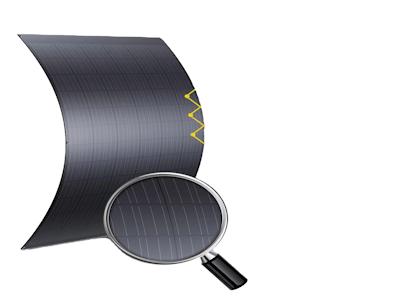
Введение: В современном мире, где изменение климата и дефицит энергии становятся все более актуальными проблемами, солнечная энергетика выступает ключевым решением для устойчивого развития. Среди инноваций в этой области двустеклянные модули представляют собой настоящую революцию, переопределяя стандарты эффективности, долговечности и экологической безопасности. Эти модули, состоящие из двух слоев стекла, инкапсулирующих фотоэлектрические элементы, не только повышают производительность системы, но и снижают затраты на обслуживание, делая солнечную энергию более доступной и надежной. В этой статье мы подробно рассмотрим, как двустеклянные модули меняют ландшафт солнечной энергетики, их преимущества, технологические аспекты, экологические выгоды, экономические последствия, а также будущие тренды и вызовы.
Двустеклянные модули, также известные как стекло-стекло модули, представляют собой фотоэлектрические панели, где солнечные элементы заключены между двумя слоями закаленного стекла. Это контрастирует с традиционными модулями, которые используют стекло на передней стороне и полимерную пленку на задней. Принцип работы основан на фотоэлектрическом эффекте: солнечный свет попадает на кремниевые элементы, генерируя электрический ток. Использование двух стеклянных слоев обеспечивает лучшую защиту от механических повреждений, ультрафиолетового излучения и влаги, что продлевает срок службы модулей. Кроме того, эта конструкция позволяет использовать бифациальные элементы, которые могут улавливать свет с обеих сторон, увеличивая общую выработку энергии на 5-30% в зависимости от условий установки. Технологический процесс включает ламинацию при высоких температурах и давлении, что обеспечивает герметичность и стабильность. Инновации в материалах, таких как использование антибликового покрытия и улучшенных инкапсулянтов, further enhance performance. Overall, double-glass modules represent a leap in photovoltaic technology, offering superior reliability and efficiency compared to conventional designs.
Одним из главных преимуществ двустеклянных модулей является их повышенная долговечность. Стекло, будучи инертным материалом, не подвержено деградации под воздействием УФ-излучения, влаги или температурных колебаний, в отличие от полимерных задних слоев, которые со временем могут желтеть, трескаться или терять прозрачность. Это приводит к более длительному сроку службы — часто превышающему 30 лет, по сравнению с 20-25 годами у стандартных модулей. Кроме того, двустеклянные модули демонстрируют лучшую производительность в экстремальных условиях, таких как высокие температуры или влажный климат, благодаря improved heat dissipation and reduced potential-induced degradation (PID). Эффективность также повышается за счет бифациальности: модули могут генерировать энергию от отраженного света, что особенно полезно в установках на светлых поверхностях или в системах с tracking. С точки зрения безопасности, double-glass modules are less prone to fire hazards due to the non-combustible nature of glass. Economically, although initial costs may be higher, the reduced maintenance and longer lifespan result in lower levelized cost of energy (LCOE) over time. Environmental benefits include easier recyclability, as glass is widely recyclable, reducing waste. These advantages make double-glass modules a compelling choice for both residential and utility-scale solar projects.
В контексте глобальных усилий по сокращению выбросов углекислого газа и переходу к возобновляемым источникам энергии, двустеклянные модули вносят значительный вклад в экологическую устойчивость. Их производство, хотя и энергоемкое, становится более эффективным с advancements in manufacturing processes, such as the use of renewable energy in factories. The longer lifespan means fewer replacements and less waste over time. Additionally, the recyclability of glass components reduces the environmental footprint at the end of the module's life, unlike traditional modules that often end up in landfills due to the difficulty in recycling polymer backsheets. The use of bifacial technology further enhances sustainability by maximizing energy output per unit area, reducing the land use required for solar farms. This is crucial in preserving natural habitats and biodiversity. Moreover, double-glass modules can be integrated into building materials, such as solar facades or rooftops, promoting green building practices. By reducing reliance on fossil fuels, these modules help mitigate climate change and support global sustainability goals, such as those outlined in the Paris Agreement. Overall, they represent a step towards a circular economy in the solar industry.
Экономический impact двустеклянных модулей multifaceted. Initially, their higher manufacturing costs, due to the additional glass and more complex lamination process, can be a barrier to adoption. However, as production scales up and technology improves, costs are decreasing rapidly. The global market for double-glass modules is growing at a compound annual growth rate (CAGR) of over 15%, driven by increasing demand for high-efficiency solar solutions. Key markets include China, Europe, and the United States, where government incentives and policies favor renewable energy investments. For consumers and investors, the lower LCOE makes double-glass modules attractive, as they offer better returns on investment over the long term. Utility-scale projects benefit from reduced operational expenses and increased energy yield, which can lead to faster payback periods. The rise of bifacial modules has also opened new revenue streams, such as in agrivoltaics, where solar panels are combined with agriculture. However, challenges remain, including supply chain issues and competition from other technologies like perovskite solar cells. Despite this, the economic outlook is positive, with analysts predicting that double-glass modules will capture a significant share of the solar market by 2030, driven by innovation and cost reductions.
Looking ahead, the future of double-glass modules in solar energy is promising but not without challenges. Technological advancements are expected to further improve efficiency, with research focused on new materials, such as perovskite-silicon tandems, and enhanced manufacturing techniques. The integration of smart technologies, like IoT sensors for real-time monitoring, could optimize performance and maintenance. However, issues such as material scarcity (e.g., silver for contacts) and the need for standardized recycling processes must be addressed to ensure sustainability. Regulatory frameworks will play a key role in promoting adoption, through subsidies, tariffs, and environmental regulations. Additionally, education and awareness among consumers and installers are crucial for widespread acceptance. The potential for double-glass modules to revolutionize not only solar farms but also urban environments through building-integrated photovoltaics (BIPV) is immense. Despite competition from emerging technologies, the robustness and proven benefits of double-glass modules position them as a cornerstone of the future energy landscape. In conclusion, while challenges exist, the ongoing innovation and market dynamics suggest that double-glass modules will continue to drive the solar revolution forward, contributing to a cleaner, more sustainable world.
Заключение: Двустеклянные модули undoubtedly represent a revolutionary advancement in solar energy, offering unparalleled durability, efficiency, and environmental benefits. As the world shifts towards renewable sources, these modules are set to play a pivotal role in achieving energy independence and combating climate change. By embracing this technology, we can accelerate the transition to a green economy and ensure a brighter future for generations to come.
Название компании:Shenzhen Shine Solar Co., Ltd. Адрес:206, 208, 210, 211, Building D, Yabian Community Yabian Xueziwei Industrial Park, Shajing Street, Shenzhen, Guangdong, China Контактные лица:Shawn Телефон:1388xx888xx Мобильные телефоны:1388xx888xx