
Горячая линия
1388xx888xx
Горячая линия
1388xx888xx
Свяжитесь с нами
Адрес:206, 208, 210, 211, Building D, Yabian Community Yabian Xueziwei Industrial Park, Shajing Street, Shenzhen, Guangdong, China
Почтовый ящик:1388xx888xx@gmail.com
Мобильные телефоны:1388xx888xx
Телефон:1388xx888xx
Текущее местоположение:Главная страница> Информационный центр> Солнечные панели которые изменят ваш дом навсегда
Добавить время:2025-12-04
В современном мире, где технологии стремительно развиваются, а экологические проблемы становятся все более актуальными, солнечные панели представляют собой не просто инновацию, а настоящую революцию в области домашней энергетики. Представьте себе дом, который не только потребляет энергию, но и производит ее самостоятельно, снижая ваши счета за электричество и внося вклад в сохранение планеты. Эта статья проведет вас через все аспекты солнечных панелей – от основ их работы до практических советов по установке и эксплуатации. Мы рассмотрим, как эти устройства могут кардинально изменить ваш быт, сделать ваш дом более умным, экономичным и экологичным. Приготовьтесь к глубокому погружению в мир солнечной энергии, который откроет перед вами новые горизонты возможностей.
Солнечная энергия – это не просто модный тренд, а фундаментальный сдвиг в том, как мы думаем об энергопотреблении. За последние десятилетия стоимость солнечных панелей значительно снизилась, а их эффективность возросла, делая их доступными для миллионов домохозяйств по всему миру. По данным Международного энергетического агентства, к 2050 году солнечная энергия может стать крупнейшим источником электроэнергии, обеспечивая до 25% мирового спроса. Это не только экологически чистое решение, но и экономически выгодное: инвестиции в солнечные панели окупаются в среднем за 5-10 лет, после чего вы получаете практически бесплатную энергию на десятилетия вперед.
Но что такое солнечные панели на самом деле? В основе их работы лежит фотоэлектрический эффект, открытый еще в 19 веке. Когда солнечный свет попадает на панель, состоящую из полупроводниковых материалов (чаще всего кремния), он выбивает электроны, создавая электрический ток. Этот процесс полностью бесшумный и не produces вредных выбросов, в отличие от традиционных источников энергии, таких как уголь или газ. Для домашнего использования солнечные панели typically устанавливаются на крышах, где они могут улавливать максимальное количество солнечного света в течение дня.
Преимущества солнечной энергии multifaceted. Во-первых, это неиссякаемый ресурс – солнце будет светить еще миллиарды лет, в то время как ископаемое топливо постепенно иссякает. Во-вторых, это снижение carbon footprint: по оценкам, одна средняя солнечная система для дома может компенсировать выбросы углекислого газа, equivalent к посадке десятков деревьев ежегодно. В-третьих, энергетическая независимость: с solar panels вы меньше зависите от колебаний цен на энергоносители и перебоев в supply. В условиях растущих тарифов на электроэнергию это становится ключевым фактором для многих семей.
Однако переход на solar energy требует некоторых initial investments и planning. В этой статье мы подробно разберем все шаги – от выбора подходящих панелей до их maintenance – чтобы помочь вам сделать informed decision и начать享受 benefits солнечной энергии как можно скорее.
Чтобы fully appreciate потенциал солнечных панелей, важно understand basic principles их работы. Солнечная панель состоит из множества фотоэлектрических ячеек, которые convert sunlight directly into electricity. Эти ячейки typically изготавливаются из кремния, материала, который abundant в природе и обладает excellent полупроводниковыми свойствами. Когда фотоны (частицы света) ударяют в ячейку, они transfer свою энергию electrons в кремнии, заставляя их двигаться и создавать electric current.
Процесс begins с absorption света. Солнечные панели designed to capture широкий спектр солнечного излучения, including visible light и even some infrared. Эффективность панели measured в процентах – то есть, какая часть солнечной энергии converted into electricity. Современные панели имеют efficiency от 15% до 22%, причем higher-end models могут достигать и 25% в laboratory conditions. Это means, что для typical дома с energy consumption около 10,000 kWh в год, система из 20-30 панелей может fully cover потребности, depending от location и инсоляции.
Но generated electricity – это direct current (DC), который не suitable для большинства домашних appliances. Поэтому solar systems включают инвертор, который converts DC into alternating current (AC), используемый в homes. Additionally, многие системы equipped с battery storage, such as lithium-ion batteries, чтобы store избыточную энергию для use в ночное время или в cloudy days. Это позволяет maximize self-consumption и further reduce reliance на grid.
Важно отметить, что performance солнечных панелей depends от нескольких factors: angle и orientation крыши, shading от trees или buildings, и local climate. Например, в солнечных регионах like Калифорния или Испания, панели produce more energy, чем в более пасмурных areas. Однако even в умеренном климате, such как в России, solar panels can быть highly effective, особенно с advancements в technology that allow them to work efficiently при lower light intensities.
Инновации в этой области непрерывны. Researchers разрабатывают новые materials, such as perovskites, которые promise higher efficiencies и lower costs. Также, integration с smart home systems позволяет automatically manage energy consumption, например, включая appliances в peak production times. Это делает solar panels не just источником энергии, а integral part умного дома будущего.
При выборе solar panels, важно understand различные types available на market. Основные categories – это монокристаллические, поликристаллические и тонкопленочные панели. Каждый type имеет свои advantages и disadvantages, и optimal choice depends от вашего бюджета, available space и energy needs.
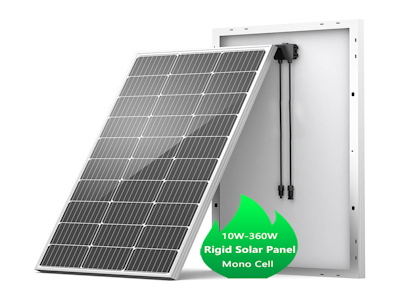
Монокристаллические панели made from single crystal silicon, что gives them uniform appearance и high efficiency – typically 18-22%. Они more expensive, но require less space для same output, making them ideal для крыш с limited area. Их black color также blends well с большинством roofing materials, enhancing aesthetic appeal.
Поликристаллические панели, с другой стороны, made from multiple silicon crystals, resulting in blue color и slightly lower efficiency – around 15-18%. Они cheaper производить, поэтому often more affordable, но require more space. Для larger roofs или open areas, они can be cost-effective option.
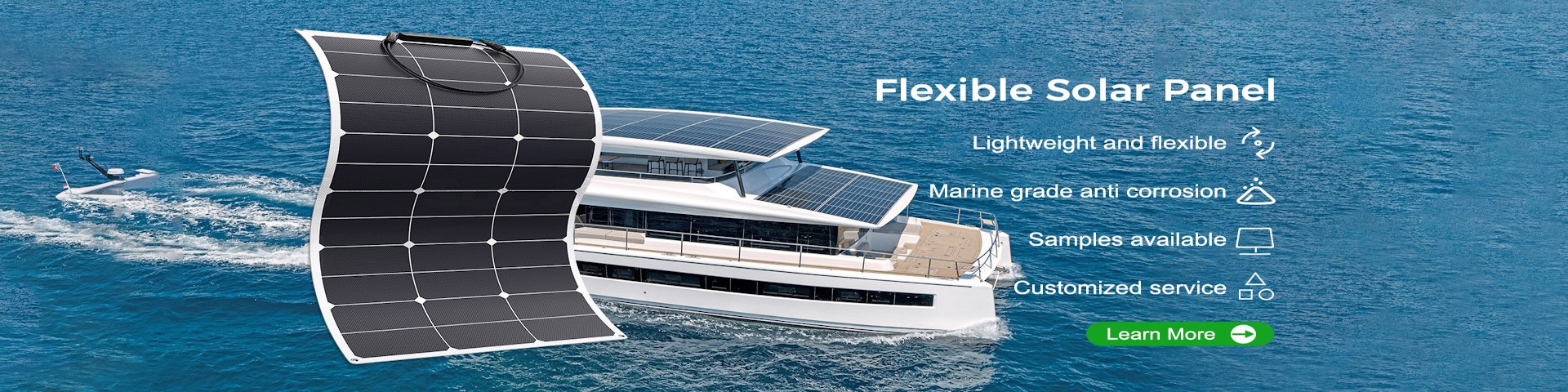
Тонкопленочные панели – это lightweight и flexible alternative, made from layers of photovoltaic materials deposited on substrate. Они have lower efficiency – 10-13%, но can be integrated into various surfaces, such as curved roofs или even windows. Их main advantage – lower cost и ease of installation, но они degrade faster и require more space.
Помимо type, consider другие factors, such as warranty (typically 25 years для performance), durability against hail или wind, and compatibility с your existing electrical system. Также, emerging technologies like bifacial panels, которые capture light с both sides, can increase energy yield до 30% в ideal conditions.
Для домашнего использования, монокристаллические панели often recommended за их balance of efficiency и longevity. Однако, consult с professional installer чтобы assess ваш specific situation. Они can provide energy audit и recommend system size based на вашем consumption patterns. Например, средняя семья в Russia consumes около 3,000-5,000 kWh в год, so система мощностью 3-5 kW может быть sufficient, consisting из 10-20 панелей.
Не forget about additional components: инверторы (string, micro, или hybrid), mounting systems, и monitoring software. Smart inverters allow real-time tracking of energy production, while batteries like Tesla Powerwall enable energy storage для use during outages или peak tariffs.
В конечном счете, выбор панелей – это investment в future. With prices continuing to fall – на 80% за последнее decade – и government incentives available во многих странах, сейчас ideal time чтобы перейти на solar. В следующем section, мы обсудим economic benefits подробнее.
Одним из most compelling reasons для установки solar panels является significant экономия на electricity bills. Initial cost установки can варьироваться от $10,000 до $30,000 для typical home system, depending от size и location. Однако, благодаря various финансовым incentives, таким как tax credits, rebates, и net metering, actual out-of-pocket cost can быть much lower.
Net metering – это policy, adopted во многих регионах, которая allows homeowners to sell excess electricity back to grid, effectively spinning their meter backwards. Это means, что в sunny days, когда ваши панели produce more than you consume, вы earn credits, которые can be used to offset consumption в ночное время или зимой. В некоторых areas, это can lead к zero electricity bills или even positive income.
Рассмотрим example: семья в Moscow с annual consumption 4,000 kWh. При average tariff 5 руб./kWh, их yearly bill составляет 20,000 руб. Установив solar system мощностью 4 kW, которая produces 4,000 kWh в год (assuming average insolation), они effectively eliminate their bill. With system cost около 300,000 руб. и government subsidy covering 30%, net cost becomes 210,000 руб. Payback period then около 10.5 years, после чего energy is free для remaining life of system (25+ years).
Кроме того, solar panels increase property value. Studies show that homes with solar systems sell for 3-4% more than comparable homes without. Это делает solar investment не only cost-saving, но и appreciating asset.
Для those who cannot afford upfront payment, options like solar leases или power purchase agreements (PPAs) allow you to go solar with little or no money down. В этих models, third-party owns the system, и вы pay monthly fee за electricity, often at lower rate than utility. While you don't own the system, you still benefit from savings.
Важно also consider maintenance costs, которые minimal – occasional cleaning и inspection. Most systems designed to withstand harsh weather, и warranties cover defects и performance degradation. Over time, as electricity prices rise, your savings will only increase, making solar a hedge against inflation.
В global context, переход на renewable energy creates jobs и stimulates local economies. In fact, solar industry employs millions worldwide, и expected to grow further. By investing in solar, you contribute to this positive economic cycle.
В следующем разделе, мы dive into environmental impact, который equally important для many homeowners.
Помимо economic benefits, солнечные панели offer profound environmental advantages. Traditional electricity generation, especially from coal или natural gas, releases greenhouse gases like CO2, contributing to climate change. In contrast, solar energy is clean и renewable, with zero emissions during operation.
Одна average residential solar system offsets approximately 3-4 tons of CO2 emissions annually – equivalent to not driving a car for over 10,000 miles. Over its lifetime, a single system can prevent hundreds of tons of carbon from entering atmosphere, making tangible impact on global warming.
Moreover, solar energy reduces reliance on finite resources like oil и gas, which often involve environmentally damaging extraction processes, such as fracking или mining. By switching to solar, you help conserve these resources for future generations и reduce pollution associated with their use.
Water usage is another critical factor. Thermal power plants consume vast amounts of water for cooling, whereas solar panels require minimal water – mainly for occasional cleaning. In water-scarce regions, this can be significant benefit.
However, it's important to acknowledge that manufacturing solar panels does have environmental footprint, including energy consumption и use of materials like silver и lead. But studies show that energy payback time – time it takes for panel to produce energy equal to amount used in its production – is only 1-3 years for modern panels. Given their 25-year lifespan, net environmental benefit is overwhelmingly positive.
Recycling programs for solar panels are also developing, with companies like First Solar offering take-back services to recover valuable materials and minimize waste. This circular economy approach further enhances sustainability.
On personal level, using solar energy can inspire others in your community to adopt green practices, creating ripple effect. Many homeowners report feeling sense of pride и responsibility towards environment after going solar.
In next section, we'll guide you through practical steps of installation и maintenance to ensure you get most out of your system.
Установка solar panels involves several steps, best handled by professionals to ensure safety и efficiency. Process typically begins with site assessment, where installer evaluates your roof's condition, orientation, и shading. They may use tools like solar pathfinders или drones to optimize panel placement.
Next, permits и approvals from local authorities are required. In Russia, this involves coordination with grid operator и obtaining technical conditions. Reputable installers handle this paperwork, making process smooth for homeowner.
Installation itself takes 1-3 days для average system. It includes mounting racks on roof, securing panels, wiring them to inverter, и connecting to electrical panel. Inverter is usually installed in garage или basement, while batteries if included, require additional space.
After installation, system is tested и commissioned. Most installers provide monitoring software that allows you track energy production in real-time via smartphone app. This helps identify any issues early, such as shading from new obstructions или dirt accumulation.
Maintenance is straightforward. Panels should be cleaned 1-2 times year to remove dust, pollen, или snow, which can reduce efficiency. In snowy regions, snow often slides off angled panels naturally, but gentle brushing may be needed. Inspections for damage или loose connections are recommended annually.
Common issues include inverter failures (lifespan 10-15 years, so may need replacement once) или degradation of panels (typically 0.5% per year). Warranties cover these, so keep documentation handy.
For DIY enthusiasts, small systems like for sheds или RVs can be self-installed, but for whole-house systems, professional help is advised due to electrical complexities и safety risks.
Cost of installation varies: in Russia, expect 100-150 rubles per watt, so 5kW system costs around 500,000-750,000 rubles before incentives. Financing options include loans или leasing, making it accessible.
In next part, we explore future trends и how solar integrates with other smart home technologies.
Солнечная энергия continues to evolve rapidly. Emerging trends include building-integrated photovoltaics (BIPV), where panels are incorporated into roofing materials или windows, making them seamless part of architecture. This not only saves space but enhances aesthetic appeal.
Another innovation is perovskite solar cells, which promise efficiencies over 30% и lower production costs. While still in research phase, they could revolutionize market in coming years.
Energy storage is key area of growth. Advances in battery technology, such as solid-state batteries, offer higher capacity и longer life, enabling homes to be fully off-grid. Virtual power plants, where multiple solar homes aggregate their storage to support grid during peaks, are becoming reality.
Artificial intelligence и IoT are being integrated to optimize energy use. Smart algorithms predict energy production based on weather forecasts и adjust consumption accordingly, e.g., running dishwasher when sun is brightest.
Policy support is also strengthening. Many countries set ambitious renewable energy targets; for example, EU aims for 32% renewable energy by 2030. In Russia, although slower, initiatives like green tariffs encourage adoption.
Community solar projects allow those without suitable roofs to subscribe to shared solar farm, expanding access to renters и apartment dwellers.
Overall, future of solar is bright, with costs expected to drop further и efficiencies rise. By adopting solar now, you position yourself at forefront of this transformation.
Солнечные панели – это больше чем технология; это gateway к sustainable, economical, и independent lifestyle. С reduced costs, environmental benefits, и advancing innovations, нет better time чтобы invest в solar energy для вашего дома.
Начните с консультации с local installer, explore financing options, и сделайте шаг towards brighter future. Ваш дом может стать not just shelter, а active participant в global shift к clean energy.
Remember, каждый installed panel brings us closer к world powered by sun. Присоединяйтесь к движению сегодня и измените ваш дом навсегда!
Название компании:Shenzhen Shine Solar Co., Ltd. Адрес:206, 208, 210, 211, Building D, Yabian Community Yabian Xueziwei Industrial Park, Shajing Street, Shenzhen, Guangdong, China Контактные лица:Shawn Телефон:1388xx888xx Мобильные телефоны:1388xx888xx