
Горячая линия
1388xx888xx
Горячая линия
1388xx888xx

Свяжитесь с нами
Адрес:206, 208, 210, 211, Building D, Yabian Community Yabian Xueziwei Industrial Park, Shajing Street, Shenzhen, Guangdong, China
Почтовый ящик:1388xx888xx@gmail.com
Мобильные телефоны:1388xx888xx
Телефон:1388xx888xx
Текущее местоположение:Главная страница> Информационный центр> Почему температура влияет на производительность солнечных батарей
Добавить время:2025-12-02
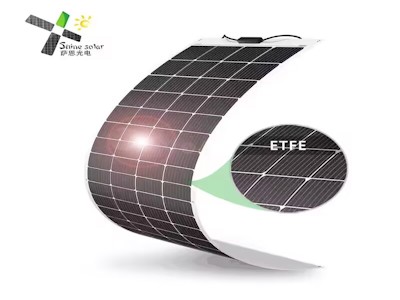
Солнечные батареи стали ключевым элементом в переходе к возобновляемым источникам энергии, предлагая экологически чистое решение для генерации электроэнергии. Однако их эффективность не является постоянной и зависит от множества факторов, среди которых температура играет критическую роль. В этой статье мы подробно рассмотрим, как температура влияет на производительность солнечных батарей, основываясь на научных принципах, практических наблюдениях и современных технологиях. Мы обсудим температурный коэффициент, влияние климатических условий, стратегии минимизации негативных эффектов и будущие тенденции в этой области. Понимание этих аспектов необходимо для оптимизации использования солнечной энергии и достижения максимальной отдачи от инвестиций в солнечные установки.
Солнечные батареи, или фотоэлектрические (ФV) панели, преобразуют солнечный свет в электрическую энергию с помощью полупроводниковых материалов, таких как кремний. Этот процесс основан на фотоэлектрическом эффекте, при котором фотоны света выбивают электроны из атомов, создавая электрический ток. Ключевыми параметрами, определяющими производительность, являются напряжение, ток и мощность. Напряжение в значительной степени зависит от температуры: при повышении температуры напряжение уменьшается, что напрямую снижает общую выходную мощность. Это явление объясняется свойствами полупроводников, где увеличение тепловой энергии приводит к росту числа носителей заряда, но одновременно увеличивает рекомбинацию, снижая эффективность. Таким образом, температурные изменения могут существенно влиять на КПД солнечных батарей, делая температурный коэффициент важным параметром для оценки их производительности в реальных условиях.
Температурный коэффициент — это числовой показатель, который量化ует, как изменения температуры влияют на производительность солнечных батарей. Обычно он выражается в процентах на градус Цельсия и указывается для мощности, напряжения или тока. Например, типичный температурный коэффициент мощности для кремниевых панелей составляет около -0,3% до -0,5% на градус Цельсия выше стандартной тестовой температуры (25°C). Это означает, что при повышении температуры на 10°C выше 25°C, выходная мощность уменьшается на 3-5%. Отрицательный коэффициент указывает на то, что производительность падает с ростом температуры. Понимание этого коэффициента важно для проектирования солнечных систем, так как он позволяет прогнозировать производительность в различных климатических зонах и выбирать панели с оптимальными характеристиками. Производители часто указывают температурный коэффициент в технических спецификациях, помогая инсталляторам и пользователям принимать informed решения.
Высокие температуры, характерные для летних месяцев или жарких регионов, могут significantly снизить эффективность солнечных батарей. При температурах выше 25°C, напряжение панелей уменьшается, что leads to a drop in power output. Например, в пустынных районах, где дневные температуры могут превышать 40°C, производительность solar panels может быть на 10-15% ниже, чем при идеальных условиях. Это не только уменьшает количество generated electricity, но и увеличивает тепловую нагрузку на components, potentially shortening their lifespan. Additionally, high temperatures can exacerbate other issues, such as increased resistance in electrical connections and reduced efficiency of inverters. To mitigate these effects, it is essential to implement cooling strategies, such as passive or active ventilation, or to choose panels with lower temperature coefficients. Real-world data from installations in hot climates confirm that temperature management is crucial for maintaining optimal performance and ensuring long-term reliability of solar energy systems.
В отличие от высоких температур, низкие температуры generally have a positive effect on the performance of solar batteries. When temperatures drop below 25°C, the voltage of the panels increases, leading to a higher power output. For instance, in cold winter conditions, solar panels can operate more efficiently, sometimes exceeding their rated capacity. This is why solar installations in temperate or cold climates often show better performance during sunny winter days. However, extremely low temperatures can bring challenges, such as potential damage from freezing or reduced sunlight hours, which may offset the benefits. Moreover, seasonal variations in temperature require careful system design to account for these fluctuations. By understanding the temperature coefficient, installers can optimize the orientation and mounting of panels to maximize energy yield throughout the year. Overall, while cold temperatures are beneficial for efficiency, they must be considered in the context of overall energy production and environmental factors.
Чтобы combat the negative effects of temperature on solar battery performance, several strategies can be employed. First, selecting panels with a low temperature coefficient is advisable for hot climates, as they are less sensitive to heat. Second, improving ventilation around the panels can help dissipate heat; this can be achieved through elevated mounting, spacing between panels, or integrated cooling systems. Third, using reflective surfaces or coatings can reduce heat absorption. Additionally, advanced technologies such as bifacial panels, which capture light from both sides, or perovskite solar cells, which have better temperature stability, are emerging as solutions. For existing installations, regular maintenance, including cleaning to prevent dust buildup that can insulate heat, is essential. System design should also incorporate temperature monitoring and automated controls to adjust operation based on real-time conditions. By implementing these measures, it is possible to enhance efficiency, extend the lifespan of solar batteries, and ensure consistent energy production even in challenging thermal environments.
Будущее солнечной энергетики включает разработку материалов и технологий, менее чувствительных к temperature variations. Researchers are exploring new semiconductor materials, such as perovskites and organic photovoltaics, which offer higher efficiency and better temperature performance compared to traditional silicon. Innovations in thermal management, like phase-change materials that absorb excess heat, are also being integrated into solar panel designs. Furthermore, the adoption of smart grids and energy storage systems allows for better balancing of supply and demand, mitigating the impact of temperature-induced fluctuations. As climate change leads to more extreme weather patterns, these advancements will become increasingly important. Governments and industries are investing in R&D to make solar energy more resilient and efficient, paving the way for a sustainable energy future. By staying informed about these trends, stakeholders can make proactive choices to optimize their solar investments and contribute to global efforts in reducing carbon emissions.
В заключение, температура оказывает significant влияние на производительность солнечных батарей, primarily through its effect on voltage and power output. High temperatures reduce efficiency, while low temperatures can enhance it, but both scenarios require careful consideration in system design and operation. Understanding the temperature coefficient and implementing strategies such as improved ventilation, material selection, and advanced technologies can help mitigate negative effects. As the world shifts towards renewable energy, optimizing solar battery performance in relation to temperature will be crucial for maximizing energy yield, reducing costs, and ensuring sustainability. By embracing innovation and best practices, we can harness the full potential of solar power and move closer to a cleaner, greener future.
Название компании:Shenzhen Shine Solar Co., Ltd. Адрес:206, 208, 210, 211, Building D, Yabian Community Yabian Xueziwei Industrial Park, Shajing Street, Shenzhen, Guangdong, China Контактные лица:Shawn Телефон:1388xx888xx Мобильные телефоны:1388xx888xx